




The Sound of Freedom: How Motorcycle Engines Shape Riding Culture

A motorcycle announces itself through more than its shape or speed. The pulse of a single-cylinder engine, the uneven beat many riders associate with a V-twin, or the smooth rising note of an inline-four can make a ride feel personal before the road even opens up. Sound is part of motorcycle culture: a mechanical sensation, a source of pleasure, and a cue riders use to recognize different machines and traditions.
Why Motorcycle Engine Sound Matters
Motorcycle engine sound matters because it connects the physical experience of riding with emotion, attention, and identity. An engine note can make a motorcycle feel calm, urgent, playful, or familiar, shaping how a rider experiences the road.
Unlike a driver sealed inside a car, a motorcyclist feels and hears the machine directly. Engine pulses, vibration, wind, and changing revs become part of the ride. The sound also offers useful feedback: a change in pitch can reflect acceleration, while a new rattle or irregular note may signal that something deserves inspection. Sound does not replace safe riding or maintenance checks, but it helps riders stay connected to the motorcycle.
There is a cultural layer, too. A familiar engine note can evoke a particular era, style of riding, or shared memory. For one rider, a low, deliberate beat suggests long-distance touring; for another, the sound of a small single recalls lightweight trail bikes and back roads. These associations are personal, not rules. The meaning of an engine note depends as much on the listener as on the machine.
What Gives an Engine Its Distinctive Note?
A motorcycle’s distinctive engine note comes from how its cylinders fire, how the engine is built, and how the exhaust system carries and changes the sound. Together, these factors shape the rhythm, pitch, and texture riders hear.
Each combustion event sends pressure pulses through the exhaust. The engine’s cylinder count and firing intervals determine how those pulses arrive. A single-cylinder engine produces one cylinder’s repeating sequence; multi-cylinder engines combine pulses from more than one cylinder. The result can sound slower or faster, smoother or more sharply layered, depending on the design and how the engine is operating.
Configuration matters, but it is only part of the picture. A V-twin, parallel-twin, and inline-four each have different arrangements, yet their sound also depends on firing order, engine speed, intake design, and exhaust layout. Two motorcycles with the same basic configuration can sound noticeably different.
The exhaust system plays a major role. Pipes and mufflers route exhaust gases and influence how much sound is absorbed or transmitted. A change to the exhaust can alter the engine note, but louder does not automatically mean better, more powerful, or more expressive. The complete motorcycle design, local noise requirements, and the conditions in which it is ridden all matter.
A Chorus of Engine Configurations
Single-cylinder, twin-cylinder, and inline-four motorcycles each have characteristic sound patterns, but no configuration has a single fixed personality. Their notes vary by design, tuning, exhaust, and engine speed.
Single-cylinder engines
A single-cylinder engine often produces a distinct, widely spaced pulse that can feel direct and easy to follow. Singles are common in lightweight, trail, and some commuting motorcycles, though their uses extend well beyond those categories. Riders may value the simple, purposeful sound; others may find the stronger vibration of some single-cylinder machines tiring over long distances. The experience depends on the individual motorcycle and its setup.
V-twins and parallel-twins
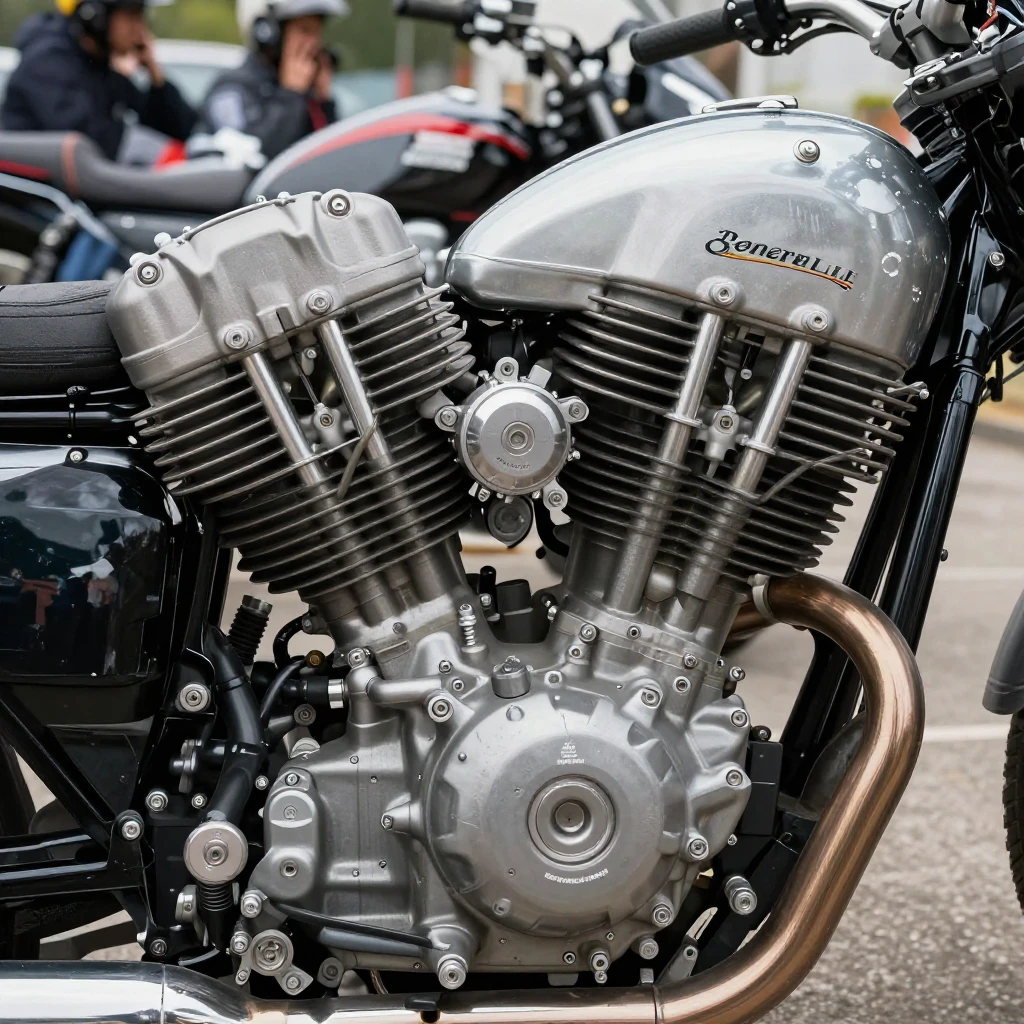
The phrase V-twin often brings to mind a deep, rhythmic engine note, especially in motorcycles designed for cruising. But V-twins differ in cylinder angle, firing characteristics, and exhaust design, so their sounds are not interchangeable. Their cultural associations with tradition and relaxed road travel are common, not universal.
A parallel-twin places its two cylinders side by side. Its sound can range from a steady, compact beat to a more pronounced pulse, depending on crank and firing design. Many riders choose parallel-twins for their broad everyday appeal, and the configuration appears in touring, standard, adventure, and sport motorcycles. Its sound alone cannot tell you how a particular bike will handle or suit your needs.
Inline-fours
An inline-four typically produces a closely spaced, smoother sequence of exhaust pulses than a single, and its note can climb sharply as engine speed rises. Riders often connect that sound with sport motorcycles and high-revving performance. Yet inline-fours are not limited to racing-inspired machines, and their character changes significantly across models. These associations can help describe a sound, but they should not turn engine types into rider stereotypes.
Sound, Identity, and Motorcycle Communities
Engine sound can express rider identity by reflecting personal taste, memories, and the kind of riding someone enjoys. It can also create a point of connection among people who recognize and appreciate a particular machine’s character.
At a gathering, a rider might identify a familiar engine before seeing the motorcycle. That recognition can start conversations about a model, a trip, or a family member who rode a similar bike. In this way, sound becomes part of motorcycle culture’s shared vocabulary. Riders may favor a traditional pulse, a crisp mechanical note, or a smooth high-revving tone because it fits their idea of the ride.
Still, preference is not a test of authenticity. A quiet commuter, an electric motorcycle, a classic twin, and a sport bike can all belong in the same broad community. Some riders enjoy listening closely to the engine; others focus on comfort, scenery, or the company on the road. Rider identity is chosen and lived in many ways, and engine sound is one expression among many, not a measure of skill or commitment.
The Trade-Off Between Expression and Noise
Motorcycle sound can be satisfying to the rider, but excessive noise affects people nearby and can conflict with local rules. Responsible riding means enjoying an engine’s character without treating volume as proof of freedom or ability.
Noise carries beyond the rider, especially in residential areas, at night, and on roads where buildings or terrain reflect sound. A motorcycle that seems manageable from the saddle may be disruptive to someone indoors or standing nearby. Riders can reduce the impact by keeping the exhaust system properly maintained, avoiding unnecessary revving, and accelerating smoothly through populated places.
Noise regulations vary by location and may depend on the motorcycle, its equipment, and how it is tested. Before changing an exhaust, check the rules that apply where the bike is registered and ridden. A modified system may also affect warranty coverage, emissions compliance, or the machine’s behavior; the details depend on the model and jurisdiction. The U.S. Environmental Protection Agency provides information on vehicle and engine regulations, while riders should consult local authorities for current requirements.
The useful distinction is between distinctive sound and unnecessary volume. A motorcycle can have a characterful engine note while still being considerate. Choosing a louder setup for attention may narrow where and when the bike feels welcome, and it can make conversation or long rides less comfortable.
Choosing the Sound That Suits Your Ride
To choose a motorcycle sound that suits you, listen to the bike in realistic conditions, then weigh that impression against comfort, intended use, and the effect on others. A short demonstration at idle cannot tell the whole story.
Start with the kind of riding you expect to do. A commuter may prefer a controlled, unobtrusive note in stop-and-go traffic; a touring rider may care more about comfort over hours in the saddle; someone riding sport or back roads may enjoy how the engine responds across its rev range. These are starting points, not prescriptions.
When comparing motorcycles, listen from both the saddle and a reasonable distance away. Notice how the sound changes during gentle acceleration and at ordinary cruising speed. Ask whether vibration or volume would become tiring on a longer ride, and check whether the motorcycle’s exhaust is original or modified. If possible, take a test ride rather than relying on a clip recorded on a phone, which may not reproduce pitch or loudness accurately.
- Match sound to use: Think about commuting, touring, trail riding, or weekend trips.
- Consider comfort: Pay attention to vibration, wind, and how the engine note feels after more than a few minutes.
- Check the whole bike: Engine sound is one part of the experience; ergonomics, handling, and maintenance matter too.
- Respect the setting: Choose and ride a motorcycle in a way that works for your routes and neighbors.
The right engine note is the one you enjoy without needing to dominate the road. Whether it comes from a single-cylinder engine, a twin, or an inline-four, its character can make a motorcycle feel unmistakably yours. The strongest connection comes from the ride itself: the machine, the road, and the people sharing it.