
Motorcycle Road Trips: Epic Journeys and Personal Transformations
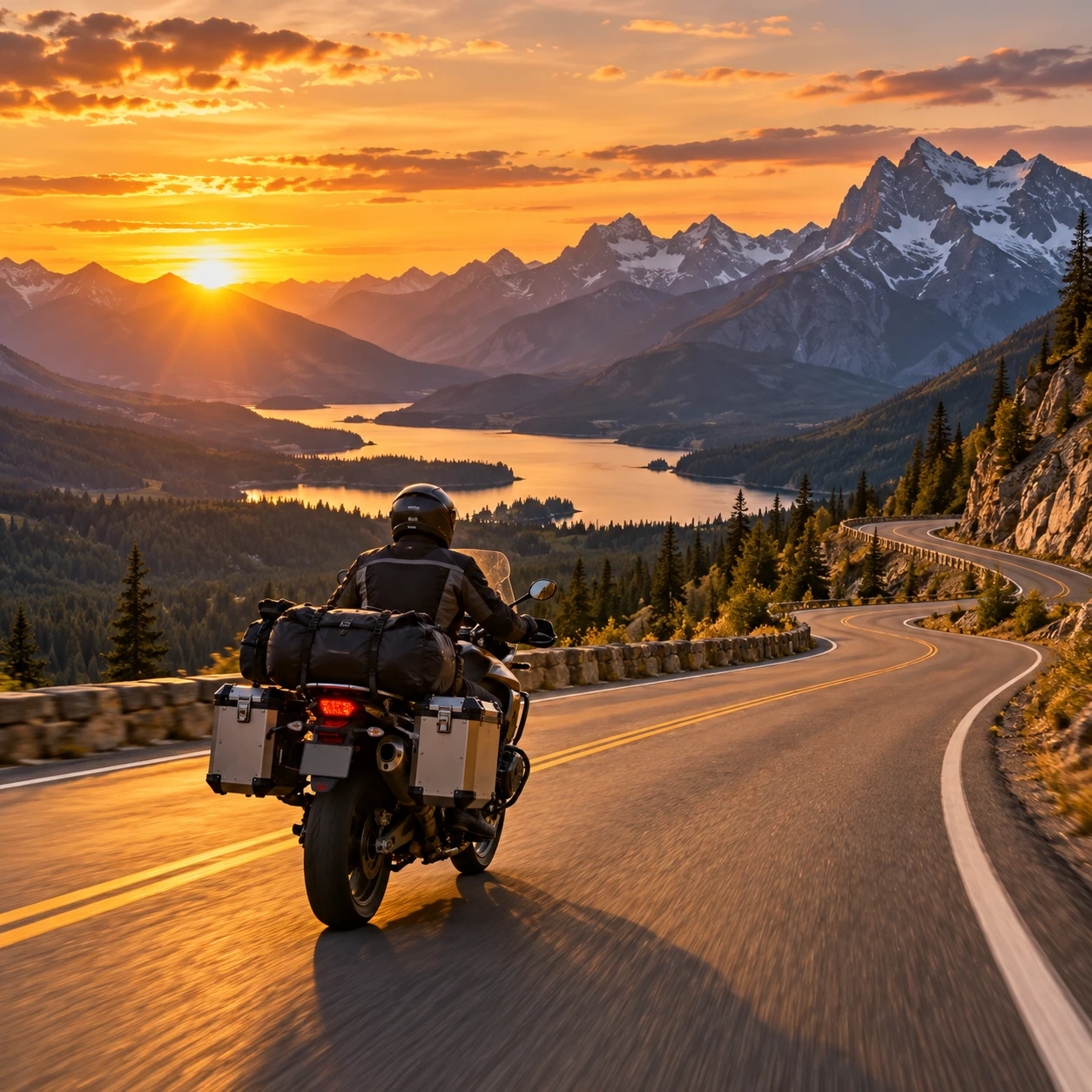
A motorcycle road trip changes the scale of travel. You feel the temperature shift at a mountain pass, smell rain before it reaches the pavement, and notice the small towns that rush past from inside a car. The miles can bring beautiful scenery, roadside conversations, and the quiet satisfaction of handling a day on your own terms.
That does not make every ride profound, or every challenge worthwhile. A meaningful journey depends on the choices you make: how you plan, when you rest, and whether you leave enough room to pay attention. Motorcycle touring can offer both adventure and personal growth when the rider treats safety and curiosity as part of the same trip.
Why the Road Feels Different on a Motorcycle
Motorcycle road trips make the landscape feel immediate because the rider experiences the road, weather, and changing terrain directly. That closer contact slows the journey down and makes ordinary details easier to notice.
On a scenic byway, a curve can open onto a valley in a way a map cannot convey. You may feel the air cool under a stand of trees, hear a river beside the road, or catch the scent of pine after a brief shower. The ride asks for attention, so the surroundings become part of the experience rather than scenery beyond a window.
The pace also encourages deliberate choices. A rider who stops at a roadside market or overlooks a small town can change the day’s rhythm without reorganizing a large group or vehicle. That freedom has a trade-off: exposure to traffic, wind, noise, and weather can make a long day more tiring than it looks on a screen.
For some riders, the appeal is companionship: a shared route, a lunch stop, and a story retold at the end of the day. For others, a few hours of quiet in the helmet provide space to think. Neither experience is more authentic. The point is to notice what the road is offering without demanding that it deliver a life-changing revelation.
The Journey Starts with a Route—and Room to Wander
A rewarding motorcycle route balances a clear plan with enough flexibility for safe, worthwhile detours. Choose roads and daily distances that suit your riding experience, then leave time for discoveries and changing conditions.
Start with the reason for the trip. Are you aiming for a mountain crossing, following a coast, visiting friends, or simply taking a few days away from routine? That goal helps narrow the route. Scenic byways may reward a slower pace, while a long transit day may call for simpler roads and fewer stops.
Map the essential pieces before departure: fuel availability, overnight stops, likely road closures, and places where weather could change quickly. Then treat the itinerary as a framework, not a series of deadlines. A planned arrival time should not pressure you to ride after dark or push through fatigue.
- Set a realistic daily range. Estimate riding time, not just distance. Curvy roads, construction, and frequent stops can turn a short-looking route into a full day.
- Mark reliable options. Identify fuel and lodging choices, especially across remote stretches, and check current operating hours where possible.
- Keep a flexible window. Leave a spare afternoon or an alternate overnight stop so a weather delay does not derail the whole trip.
Leave room for the unexpected, but make detours deliberate. If an unplanned road looks appealing, check its surface, daylight, fuel range, and forecast first. A memorable roadside stop is a bonus; an avoidable risk is not a requirement of adventure.
Preparing for the Miles Ahead
Prepare for a long motorcycle trip by checking the bike, packing suitable riding gear, reviewing the route, and setting a distance you can ride comfortably. A modest amount of preparation reduces preventable problems and leaves more attention for the journey itself.
Check the motorcycle and the route
Before leaving, inspect tires, brakes, lights, controls, fluid levels, and the chain or belt according to the motorcycle’s manual. Confirm that luggage is secure and does not affect steering or visibility. If you are unsure about a mechanical issue, have a qualified technician assess it before departure rather than hoping it will hold up on the road.
Review the route for fuel gaps, closures, rough surfaces, and areas with limited mobile coverage. Save maps offline and carry a way to contact help. Route planning is not a promise that everything will go as expected; it is a way to make better decisions when it does not.
Pack for comfort and changing weather
Wear properly fitted, protective riding gear suited to the conditions: an approved helmet, gloves, boots, and abrasion-resistant clothing. Pack a waterproof layer even when the forecast looks clear, and use layers that can be added or removed as temperatures change. A small first-aid kit, basic tools, water, and any personal medication belong where you can reach them safely when stopped.
Comfort affects judgment. If your hands are cold, your gear is chafing, or you are dehydrated, concentration can slip. Packing light helps the bike handle well, but cutting essentials to save a little space is a poor trade. Aim for a setup you have tested on a shorter ride before relying on it for several days.
Finally, plan rest as carefully as fuel. There is no universal daily mileage target: a familiar highway ride differs from a winding mountain route in rain. Choose a stopping point that leaves room for breaks, meals, and a slower-than-expected stretch.
Challenges That Become Part of the Story
Fatigue, changing weather, and minor setbacks can become meaningful parts of a motorcycle trip when you respond patiently and put safety first. They are not tests you need to endure; turning back, resting, or changing plans can be the strongest decision.
Weather can transform a route within an hour. A sunny morning may give way to crosswinds, cold rain, or reduced visibility. Check forecasts along the route, not only at your starting point, and stop somewhere safe if conditions exceed your experience or the limits of your gear. Waiting out a storm may cost time, but pressing on can cost much more.
Fatigue deserves the same respect. Frequent yawning, wandering attention, stiff shoulders, or missed signs are reasons to stop. Take breaks before you feel exhausted, drink water, eat regularly, and do not treat an ambitious mileage target as a measure of skill. Riders can also review safety guidance from the National Highway Traffic Safety Administration before setting out.
A minor setback, such as a missed turn or a delayed room, can call for resourcefulness. Check the map while stopped, contact lodging, or choose a safer alternative. Self-reliance does not mean refusing help; it means taking responsibility for the next sound decision. Those moments often become the stories riders remember, precisely because they reveal how plans hold up in real life.
The Personal Transformations of Long-Distance Riding
Long-distance motorcycle riding can build self-reliance, patience, and perspective by asking you to manage decisions and discomfort over time. The effect varies by rider, and a trip does not guarantee a lasting transformation.
Hours of steady riding may create space to think, but solitude is not automatically calming. Some riders enjoy a quiet stretch with their thoughts; others prefer a riding partner or a planned call at the end of the day. A meaningful journey can include silence, conversation, or both.
Self-reliance often grows through small acts: noticing a change in the bike, asking for directions, adjusting a plan, or admitting that you need a break. Each choice gives you evidence about what you can handle and where you need support. That is more useful than trying to prove you can ride through every difficulty.
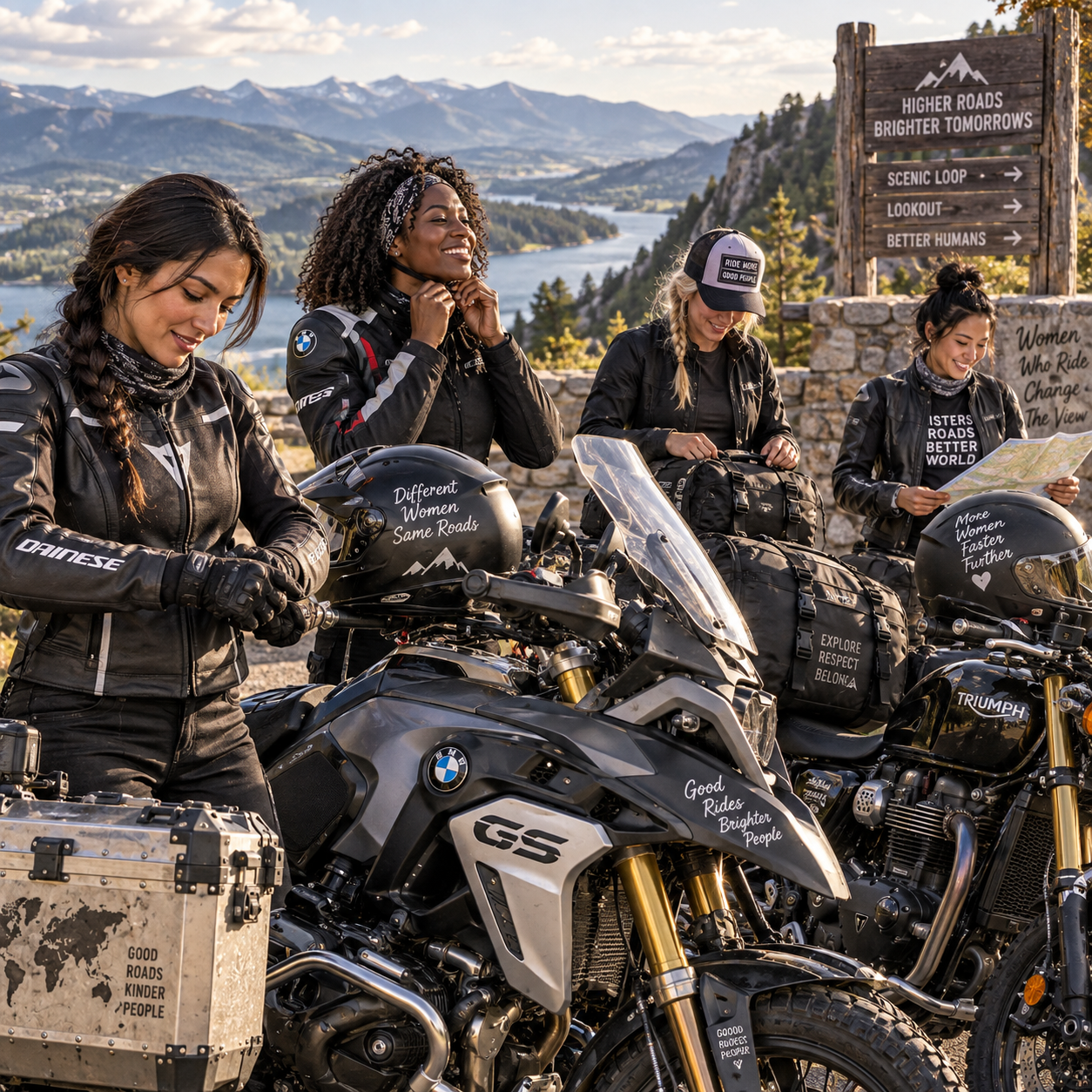
The rider community also shapes the experience. A conversation at a fuel stop, help finding a local repair shop, or a shared meal with strangers can make a place feel less unfamiliar. These encounters are not guaranteed, but approaching people with respect and curiosity can open the door to them.
Growth on the road is often practical. You may return with better judgment about your limits, more confidence in planning, or a renewed appreciation for ordinary routines. The trip can matter even if nothing dramatic happens.
Bringing the Journey Home
Bring a motorcycle road trip home by making time to reflect on what happened and choosing which lessons deserve a place in everyday life. A few notes, photos, or conversations can help turn passing experiences into lasting memories.
After the ride, write down the moments you might otherwise forget: the roadside stop you did not plan, the stretch of road that demanded patience, or the kindness of someone who helped you. Note practical details too, such as how far you comfortably rode, what gear worked, and where the route plan fell short. Those observations make the next trip safer and more personal.
Some riders return ready to plan another long tour. Others come home grateful for a weekend away and have no desire to repeat the same distance. Both responses make sense. The value of the journey is not measured by mileage or by how dramatically you changed.
When ordinary routines resume, carry forward one small thing: leave more room in your schedule, take a local road you usually skip, or ask for help sooner when a problem appears. The open road may end at home, but the attention and judgment practiced along the way can travel with you.
Motorcycle Road Trip FAQs
These answers cover the basics of choosing a route, preparing the motorcycle and rider, staying flexible, and thinking about what a long ride can teach you.
How should a rider choose a route for a motorcycle road trip?
Choose a route that matches your experience, time, and reason for riding. Check road conditions, fuel stops, weather, and overnight options, then allow extra time for breaks and safe detours.
What should riders prepare before a long-distance trip?
Inspect the motorcycle, secure luggage, and pack protective gear, weather layers, water, basic tools, and personal essentials. Review the route and set a realistic riding day with regular rest stops.
How can riders balance spontaneity with safety?
Keep the itinerary flexible, but assess daylight, road surface, weather, fuel range, and fatigue before taking an unplanned turn. Stop in a safe place to check maps or revise the plan.
What can a motorcycle road trip teach you about yourself?
A trip may show you how you handle uncertainty, when you need rest, and how you make decisions under changing conditions. What you learn depends on the ride and the rider; personal growth is possible, not guaranteed.