
From Italy to Courchevel in 2026: An Italian Traveller's Guide to Arriving via Chambéry Airport (CMF) and Exploring the Alps with Sports Car Rental in Courchevel
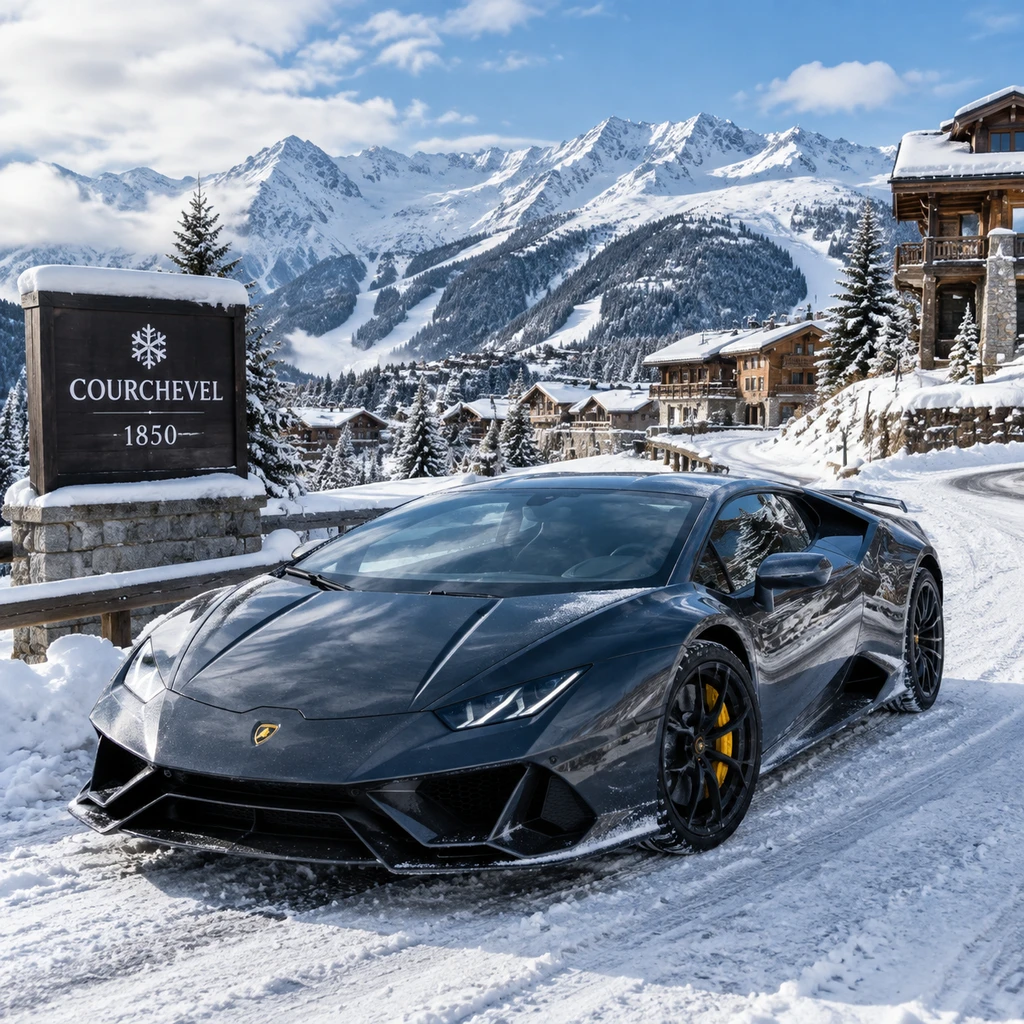
Every winter I notice more Italian plates in the car parks of Courchevel, more Milanese accents at breakfast tables, and more friends from Turin asking me the same question: what's the smartest way to get here? There's something satisfying about watching this trend grow. Italians understand style, and Courchevel speaks that same language, just with a French accent and a dusting of snow. The resort's blend of five-star glamour and genuinely spectacular skiing makes it a natural extension of the Italian idea of a proper holiday — one where the journey matters almost as much as the destination.
What's changed in 2026 isn't the appeal of Courchevel itself, but how practical it has become to reach it from Italy. That's really the question I want to answer here: given the choice between prestige and convenience, how do you get from Italian soil to the heart of the French Alps without wasting half your trip in transit?
Understanding Your Route from Italy to the French Alps
There are really three ways Italians tackle this journey. Some drive the whole way, crossing through Mont Blanc or the Fréjus tunnel, which is scenic but long, especially with winter traffic and unpredictable mountain weather. Others fly into Geneva or Lyon, two of the more obvious hubs, then face a transfer of two hours or more depending on conditions. And then there's the option that, frankly, more savvy travellers are choosing each season: flying directly into Chambéry.
Why Chambéry Airport (CMF) Is the Smart Choice
Chambéry Airport sits almost absurdly close to Courchevel — we're talking roughly 50 minutes by road under normal winter conditions, compared to the two-plus hours you'd spend coming from Geneva during peak season traffic. During the height of ski season, CMF runs seasonal routes connecting directly with several Italian cities, which means less time in airports and more time on the slopes. I've made the Geneva transfer in a snowstorm before. I don't recommend repeating that experience when a shorter, more direct option exists.
Arriving at Chambéry Airport – What Italian Travellers Need to Know
Flight frequency from Italy tends to peak during December through March, with connections typically available from Milan, Rome, and occasionally Turin, depending on the season's schedule. As an EU-to-EU journey, border formalities are refreshingly minimal — no customs headaches, just the usual security checks. One thing worth planning for: ski gear. CMF handles oversized luggage well, but if you're travelling with boot bags, boards, or multiple cases, it pays to check your airline's winter sports allowance before you fly.
The airport itself is compact and efficient, without the maze-like sprawl of larger international hubs. For a complete breakdown of transfer logistics, timing windows, and seasonal considerations specific to arriving at this airport, I'd point you toward courchevelluxurycarrental.fr/airport/cmf, which covers exactly the kind of practical detail that makes planning this leg of the trip far less stressful.
Planning Your Airport Transfer
From CMF, you've got shuttle services, standard taxis, and private hire options. Shuttles are economical but run on fixed schedules that don't always align with flight arrivals, especially during busy weekends. Taxis are flexible but pricier for the distance. Private hire, particularly for those wanting a seamless and comfortable transition into the mountains, tends to be the preferred route for travellers who value their time and arrive expecting a certain standard of service.
Exploring the Alps in Style – Why Rent a Sports Car
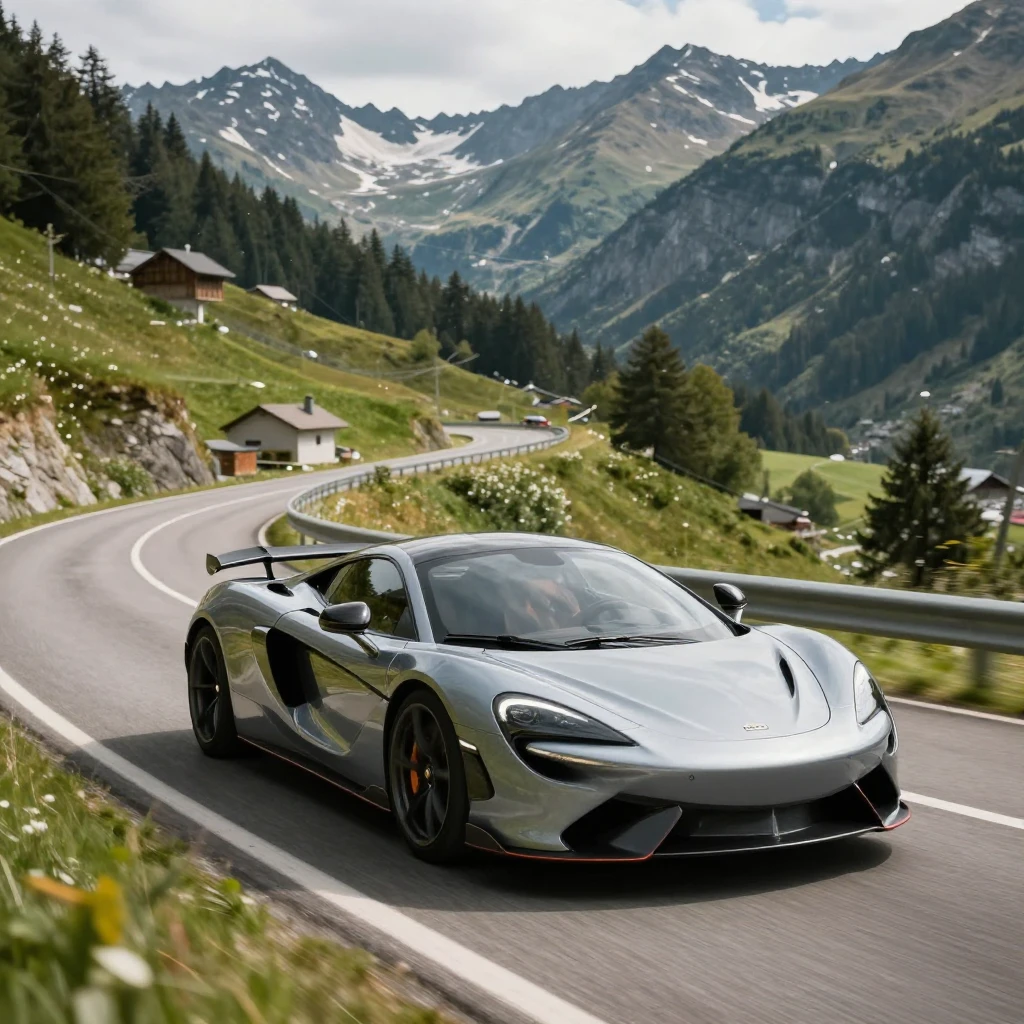
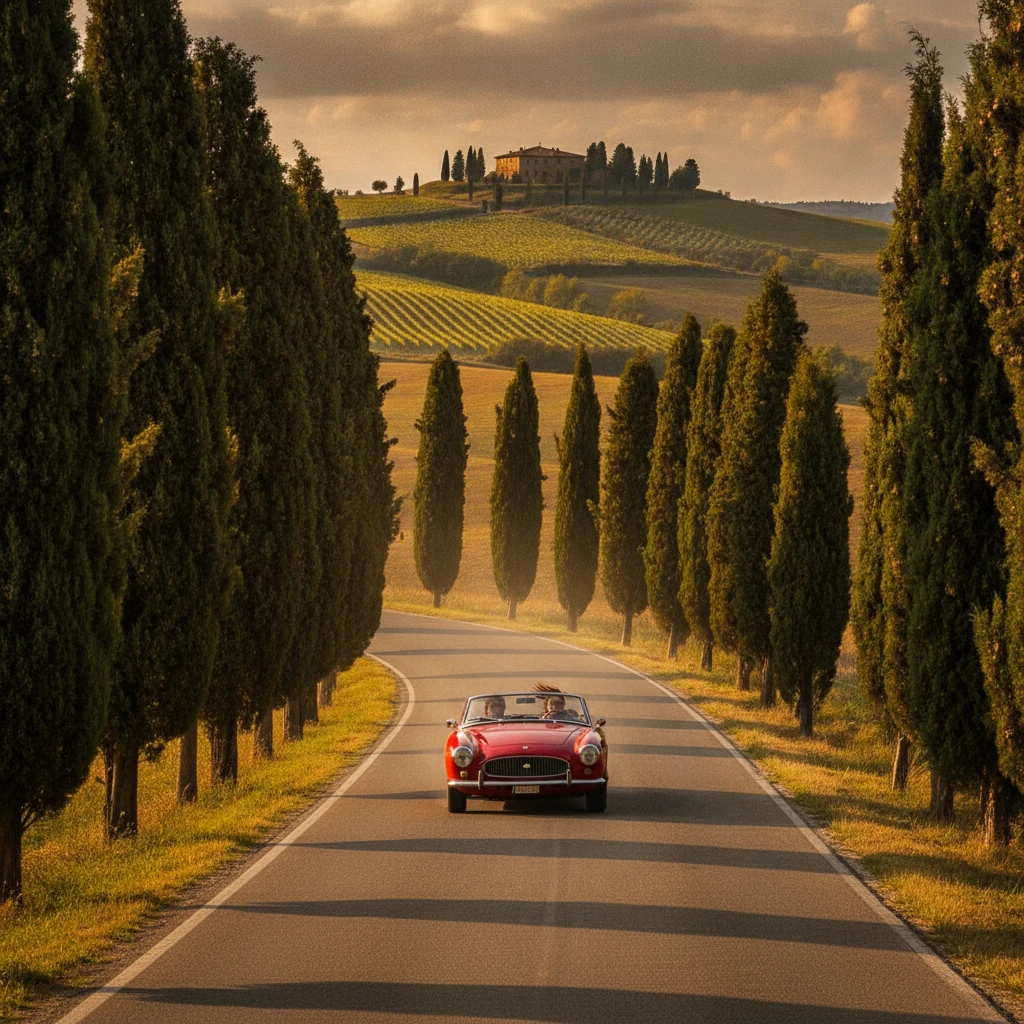
Here's where the Italian instinct for driving comes into play. Once you've landed and settled into Courchevel, the question becomes: how do you want to experience the Alps? Shuttle buses and chauffeured transfers get you places, but they don't let you stop at a viewpoint on a whim or detour toward a village that catches your eye. Self-driving changes the entire rhythm of the trip. There's a particular pleasure in handling a well-engineered car through switchback roads with the Alps rising on either side — it's an experience that rewards both confidence behind the wheel and an appreciation for good design, two things Italians rarely lack.
Choosing the Right Vehicle for Alpine Roads
Mountain roads in winter demand more than horsepower. All-wheel drive and proper winter tyres aren't optional extras here — they're the difference between a smooth drive and a stressful one. That said, performance and capability aren't mutually exclusive. Several models built for alpine conditions still deliver the kind of driving experience you'd want on a clear day with dry tarmac. If you're trying to match the right car to these roads, exploring sports car rental in Courchevel is the most direct way to see what's available and suited specifically to winter mountain driving without sacrificing style.
Must-Visit Spots Around Courchevel for Italian Visitors
Once you're mobile, the region opens up considerably. Méribel is a short, scenic drive away and worth it for its own distinct village charm. La Tania offers a quieter, more intimate alternative if you want to escape the busier parts of Courchevel for an afternoon. And for Italian visitors specifically, there are restaurants scattered through the valley with genuinely good Italian menus — some run by Italian expats who clearly understand that just because you're in France doesn't mean you want to abandon proper espresso or a correctly made risotto. Driving yourself means you can chase these places down rather than relying on fixed itineraries.
Practical Tips for Italian Drivers in the French Alps
French roads differ from Italian ones in a few ways worth noting. Tolls work differently — no vignette system like in some neighbouring countries, but motorway tolls are common on the main routes, so keep a card handy. Winter driving laws are stricter in mountain regions: certain roads require winter tyres or snow chains by law during the season, and this is enforced. If you're renting, double-check that insurance covers mountain and winter conditions specifically, since basic policies sometimes exclude higher-risk alpine routes. Parking in Courchevel's village centers can be tight and seasonal restrictions apply, so it's worth confirming your accommodation's parking arrangements before you arrive.
Common Mistakes to Avoid When Planning This Trip
The most common error I see is booking flights without checking whether CMF's seasonal routes actually align with your travel dates — connections aren't always year-round, so verify before locking in plans. Second, people consistently underestimate transfer times, assuming all alpine roads behave the same regardless of weather or time of day. And third, renting a vehicle that looks great on paper but isn't actually configured for snow and ice is a recipe for a frustrating holiday rather than a glamorous one. Each of these is avoidable with a bit of advance research.
- Confirm CMF's seasonal flight schedule from your Italian city before booking
- Build extra time into your transfer plans during peak weekends
- Choose a rental vehicle genuinely equipped for winter alpine roads, not just stylish ones
Conclusion: Crafting the Perfect Italian-to-Courchevel Alpine Getaway in 2026
The ideal journey from Italy to Courchevel in 2026 isn't complicated once you know the pieces: fly into Chambéry rather than fighting through larger, farther hubs, arrange a smooth transfer, and once you're settled, take to the mountain roads yourself in a car built for the terrain. It's a combination that respects both your time and your taste for doing things properly. Plan ahead, use the resources available for the airport leg and the driving experience, and you'll find this Alpine escape feels less like a logistical exercise and more like exactly the kind of holiday it's meant to be.