Legendary Motorcycle Races and Their Untold Stories
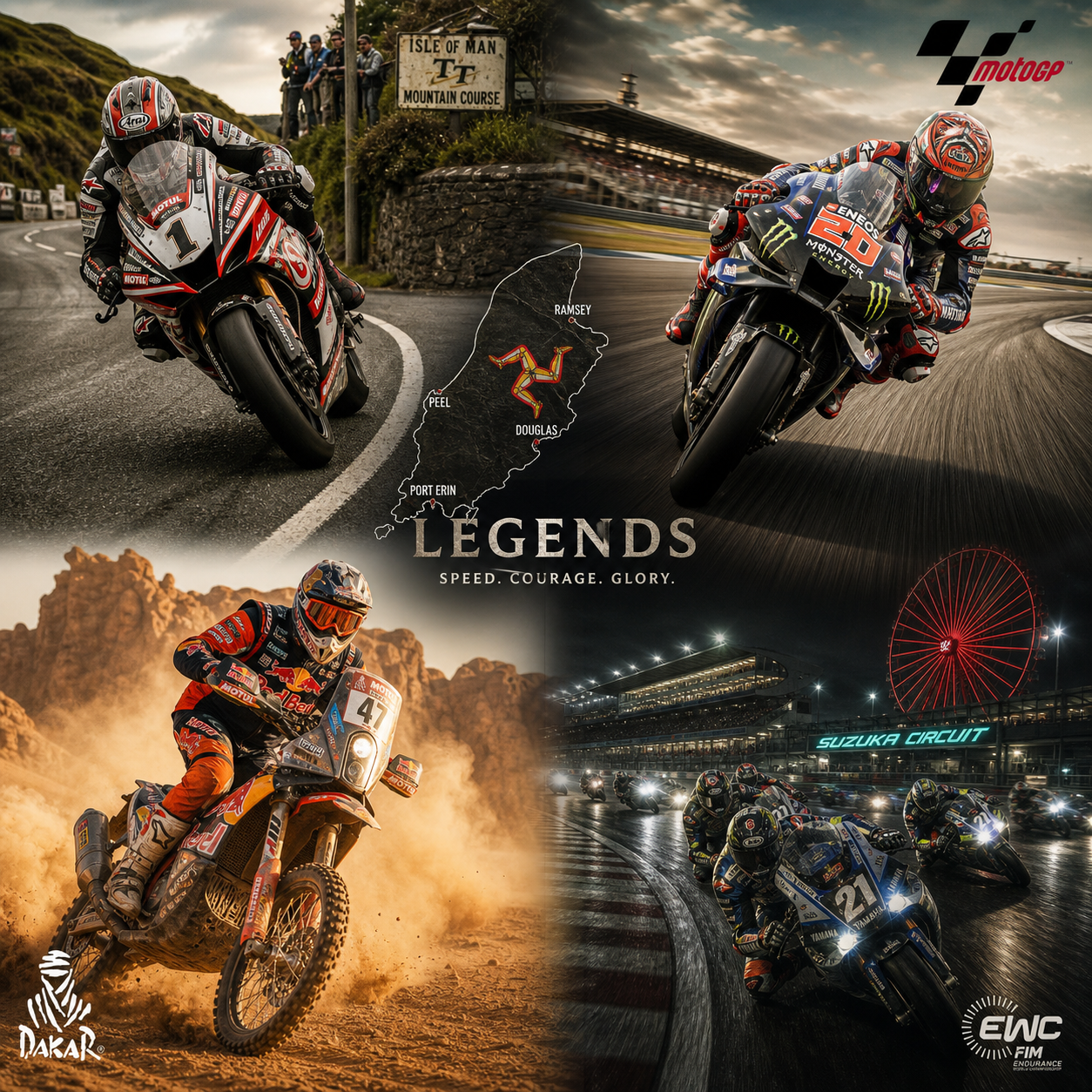
Legendary motorcycle races are remembered for more than winners and lap times. They survive because people attach meaning to them: a rider returning after injury, a mechanic working through the night, a family accepting years of uncertainty, or a small community turning a dangerous road into a global stage.
From Tourist Trophy racing on public roads to the controlled intensity of Grand Prix motorcycle racing, each event reflects a different idea of courage. The most compelling stories often sit outside the official results, where persistence, rivalry, engineering judgment, and local tradition shape motorcycle culture.
What Makes a Motorcycle Race Legendary?
A legendary motorcycle race combines danger, tradition, innovation, rivalry, and cultural influence over many generations. Its identity becomes larger than the event itself, creating stories that riders and fans continue to retell.
Speed alone does not create racing folklore. A race becomes iconic when several forces meet:
- Place: The circuit or landscape gives the event a recognizable character, whether it is an island road, a desert route, or a floodlit Japanese track.
- Human stakes: Riders, teams, families, officials, and volunteers all carry responsibilities that spectators may never see.
- Technical change: New engines, tyres, suspension systems, electronics, and navigation equipment can alter what riders believe is possible.
- Rivalries: A contest between contrasting personalities or riding styles gives fans an emotional storyline.
- Tradition: Repeated rituals, local support, and historic names connect present competitors with earlier generations.
This also explains why a legendary race is not always the most dangerous one. Risk matters, especially in road racing, but lasting importance also depends on organization, sporting credibility, community involvement, and the ability to evolve responsibly. Choosing spectacle without safety can destroy the very culture a race hopes to preserve.
Isle of Man TT: Courage on the Mountain Course
The Isle of Man TT is famous because it combines Tourist Trophy racing, public-road speed, and an exceptionally demanding course shaped by ordinary villages, hedges, walls, and mountain weather. Its reputation rests on preparation and commitment as much as raw bravery.
The Mountain Course is more than 37 miles long and includes hundreds of corners, rapid elevation changes, narrow sections, and surfaces that can behave differently from one part of the island to another. A rider may face sunshine near the coast and rain on the mountain within the same lap. There is little room for error, and familiarity must be built through repeated study, not a quick glance at a track map.
Names such as Mike Hailwood, Joey Dunlop, John McGuinness, and Michael Dunlop became part of TT mythology through speed, consistency, and resilience. Yet the public sees only the final run. Behind each performance are data checks, route memorization, suspension decisions, tyre choices, family support, and mechanics who must prepare a machine for a course that punishes small weaknesses.
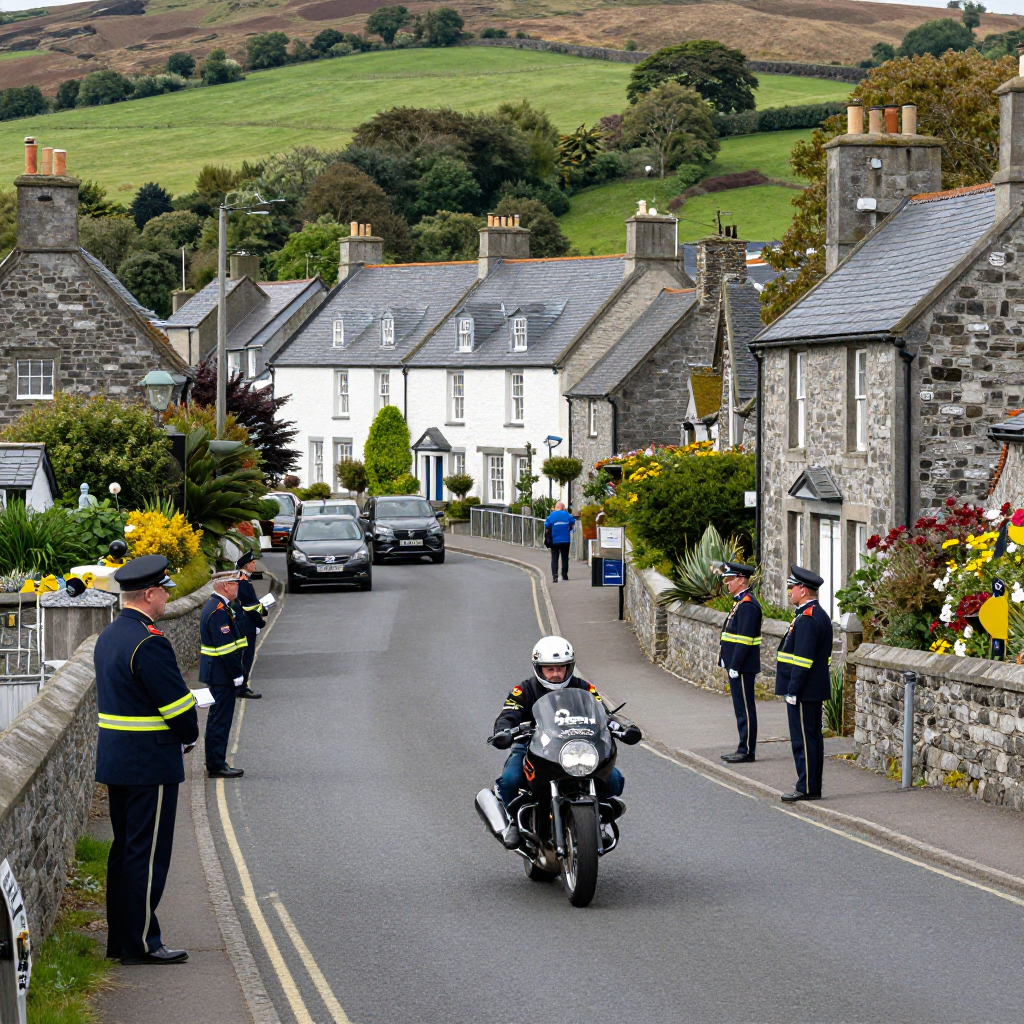
The TT’s untold stories also include sacrifice. Local residents manage road closures, marshals stand in exposed positions, and families live with the emotional cost of watching someone compete at extreme speed. That collective effort gives the event its identity while also demanding honest conversations about safety and responsibility.
MotoGP and the Rivalries That Shaped Grand Prix Racing
MotoGP became the modern symbol of Grand Prix motorcycle racing by combining elite riders, rapid technological development, and rivalries that turned championship battles into cultural events.
Earlier eras featured lighter two-stroke machines, less electronic assistance, and riding styles that demanded extraordinary control. The modern era brought four-stroke prototypes, sophisticated aerodynamics, ride-height systems, advanced electronics, and intense manufacturer competition. Technology changed the machines, but rider character remained central.
Rivalries between figures such as Valentino Rossi, Jorge Lorenzo, Casey Stoner, Marc Márquez, and Dani Pedrosa showed how different approaches could succeed. Rossi’s racecraft and psychological presence, Lorenzo’s precision, Stoner’s commitment, and Márquez’s aggressive adaptability created contrasting versions of excellence. Their battles were compelling because fans could see strategy in motion: late braking, tyre management, qualifying pressure, and the decision to attack or wait.
The less visible story is the scale of support required. A MotoGP rider works with engineers, data analysts, physiotherapists, tyre specialists, managers, and a factory organization. One small setup decision can change confidence through a corner. A rider may appear fearless on television while privately managing pain, uncertainty, or a machine that never quite matches their preferred style.
Grand Prix racing also demonstrates a useful lesson: innovation changes the shape of competition, but it does not eliminate human judgment. Electronics can manage wheelspin; they cannot decide when a rival is vulnerable or how much risk a championship moment deserves.
Dakar Rally: Survival Beyond the Finish Line
The Dakar Rally is legendary because competitors must navigate extreme terrain for days while protecting their bodies, machines, fuel, and concentration. Finishing can be a major achievement even when victory is impossible.
Dakar began as a transcontinental African rally and later moved to South America before establishing a new chapter in Saudi Arabia. Every location has tested competitors differently, from African dunes and remote tracks to South American altitude and Arabian desert routes. Navigation remains crucial, although modern roadbooks and digital systems have changed how riders interpret terrain.
Motorcycle competitors face fatigue that accumulates over stages rather than laps. A damaged wheel, overheating engine, navigation error, or missed refuelling decision can cost hours. Riders must balance pace with mechanical sympathy. A spectacular attack early in the event may create a problem that only appears hundreds of kilometres later.
Many of Dakar’s strongest stories come from privateers and support crews. Factory riders receive extensive resources, while independent competitors often combine sponsorship work, personal savings, and volunteer assistance to reach the start. Their preparation may involve months of physical training, navigation practice, medical planning, and rebuilding a motorcycle after every test.
The rally’s mythology can make suffering look glamorous, but endurance has practical limits. Heat illness, dehydration, injury, and exhaustion are real hazards. Dakar’s meaning lies in disciplined survival, not reckless suffering. The rider who finishes with a damaged machine and a controlled pace may have made the wiser sporting decision.
Daytona 200 and the American Racing Tradition
The Daytona 200 became a cornerstone of American motorcycle culture by linking high-speed competition, beach-racing history, factory ambition, and the changing identity of American road racing.
Its roots reach back to racing on the Daytona Beach shoreline, where riders competed on a demanding sand course. The event later moved to the Daytona International Speedway facility, bringing banking, infield sections, and a different kind of physical and mechanical challenge. This transition reflects a broader shift from improvised speed contests toward purpose-built venues and more formal safety systems.
The race has been associated with American stars including Gary Nixon, Dick Mann, Steve Baker, Miguel Duhamel, and other riders who helped define different generations. It also became a proving ground for manufacturers. European, Japanese, and American machines competed for attention, while teams learned how to make motorcycles survive long periods at high speed.
The Daytona 200’s defining stories often involve changing machinery. Lightweight two-strokes, superbikes, production-based racers, and modern middleweight platforms each altered the strategic balance. A machine that looked dominant on the banking might struggle in the infield, forcing riders and engineers to compromise between top speed, braking, stability, and endurance.
For fans, Daytona has always been more than a race. The surrounding motorcycle gatherings, vendor areas, team transporters, and spring-break atmosphere helped turn the event into a pilgrimage. The trade-off is that spectacle can sometimes overshadow the difficult work of maintaining a competitive racing program in a costly and changing market.
Suzuka 8 Hours: Teamwork, Pressure, and Endurance
The Suzuka 8 Hours is an iconic endurance motorcycle race because rider partnerships, pit strategy, manufacturer pride, and relentless preparation matter as much as outright speed.
Unlike a short Grand Prix race, an eight-hour event asks a team to manage several moving problems at once. Riders must share a motorcycle and adapt to one another’s feedback. Crew members perform rapid refuelling, tyre changes, inspections, and repairs. Engineers track fuel use, tyre wear, weather, traffic, and rider pace while the clock keeps running.
Japanese manufacturers such as Honda, Yamaha, Suzuki, and Kawasaki have treated Suzuka as a major technological and cultural contest. Factory involvement can bring exceptional resources, but it also increases pressure. A small error in a pit stop or an unreliable component can undo months of preparation.
Rider partnerships create some of the event’s most human moments. A fast rider may need to moderate pace for tyre life. A teammate who feels less comfortable in rain may still be essential during a difficult stint. Team managers must decide when to push, when to conserve, and how to respond when the race changes after sunset.
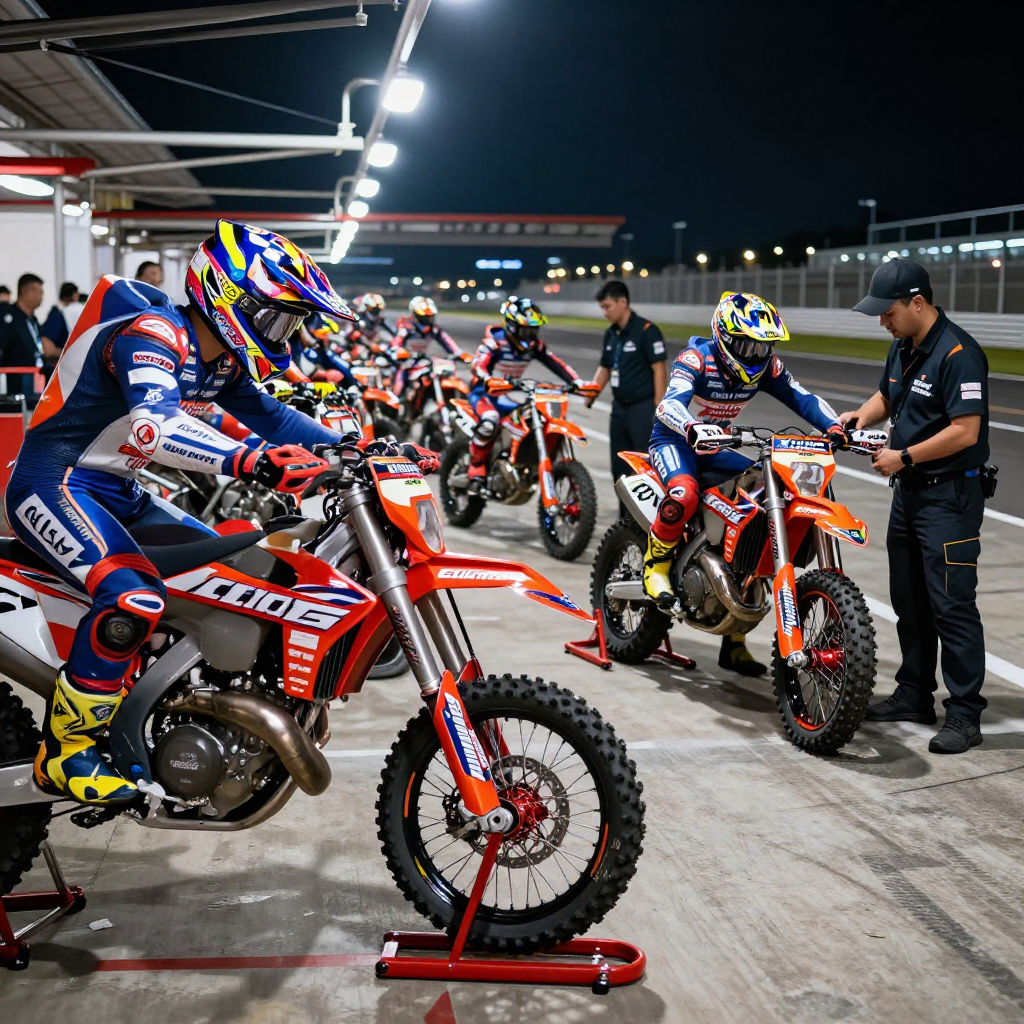
Suzuka shows that endurance motorcycle racing rewards coordination rather than individual brilliance alone. The rider receives the applause, but the result belongs to a temporary community working with remarkable precision.
The Untold Stories That Keep Racing Legends Alive
The untold stories behind motorcycle racing legends connect riders, engineers, families, organizers, local communities, and fans across very different events. These relationships keep the races meaningful after the headlines fade.
A useful way to understand racing folklore is the four-layer model:
- The visible layer: Winners, overtakes, records, trophies, and famous photographs.
- The working layer: Training, setup changes, navigation practice, pit stops, logistics, and repairs.
- The human layer: Rivalries, injuries, financial pressure, family decisions, mentorship, and recovery.
- The cultural layer: Local traditions, fan clubs, memorials, manufacturer identity, and the stories passed to new riders.
This model explains why a privateer’s determined finish can matter as much as a factory victory. It also clarifies why rider rivalries endure: they combine visible competition with contrasting personalities and values. Fans are rarely choosing only between lap times. They are choosing between ways of approaching the sport.
Motorcycle racing has also influenced road-bike design, protective equipment, suspension development, braking systems, navigation tools, and ideas about rider training. The transfer is not automatic, and a race solution may be too expensive or specialized for ordinary roads. Still, competition creates a demanding laboratory.
For motorcycle enthusiasts, these races remain valuable because they preserve a connection between machines and people. The Isle of Man TT carries road-racing memory; MotoGP represents the sharp edge of Grand Prix innovation; Dakar celebrates navigation and endurance; Daytona reflects American racing tradition; and Suzuka proves what coordinated teams can accomplish. Their legends survive when fans remember the work behind the speed.
Frequently Asked Questions About Legendary Motorcycle Races
What is considered the most legendary motorcycle race?
There is no universal answer, but the Isle of Man TT is often regarded as the most legendary because of its public-road setting, long history, demanding Mountain Course, and exceptional place in Tourist Trophy racing. MotoGP’s premier championship and the Dakar Rally also have enormous global influence.
Why is the Isle of Man TT so famous?
The Isle of Man TT is famous for its road-racing heritage, high speeds, difficult weather, and a course that passes through villages and mountain sections. Its history includes celebrated champions, technical progress, community participation, and serious risk, which is why the event requires responsible interpretation.
How is endurance motorcycle racing different from Grand Prix racing?
Endurance motorcycle racing emphasizes team coordination, fuel strategy, tyre management, reliability, and rider changes over a long duration. Grand Prix racing generally focuses on a shorter, intensely paced contest in which one rider and one machine must optimize performance over a limited number of laps.
Which motorcycle races have had the greatest influence on motorcycle culture?
The Isle of Man TT, MotoGP, Dakar Rally, Daytona 200, and Suzuka 8 Hours have each influenced motorcycle culture in different ways. Together they represent road racing, Grand Prix competition, rally survival, American circuit tradition, and international endurance racing.