The Art of Motorcycle Customization: Builds That Tell a Story
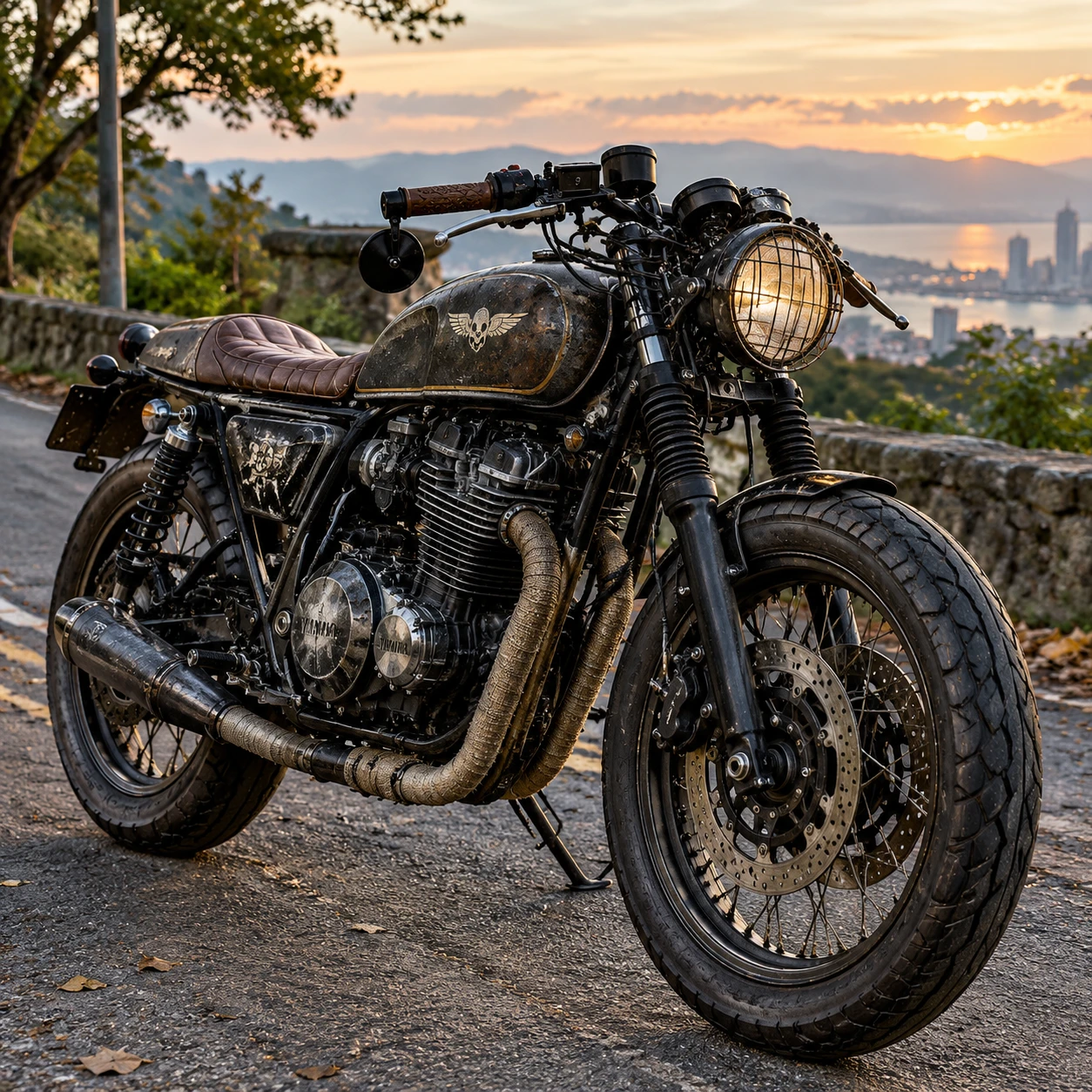
A custom motorcycle can be a record of the miles, places, and people that have shaped its rider. The paint, stance, engine, and smallest handcrafted details all help turn a machine into something personal. The strongest builds make those choices feel connected, while still working well on the road.
That balance is at the heart of motorcycle culture: a bike can express identity without becoming a display piece that rarely gets ridden. Begin with the story you want to tell, then let the design follow.
A Motorcycle as a Personal Canvas
A motorcycle becomes a personal canvas when its form and details reflect the rider’s character, history, or way of riding. Customization gives a familiar machine a distinct point of view, shaped by both appearance and use.
Some riders build around a family connection: a parent’s old touring bike, a first ride, or a workshop skill passed down. Others draw on a place, such as a coastal road or a dusty back route, and translate its mood into color, materials, and stance. Even a preference for quiet back-road rides over city commuting can guide a bike’s character.
This is why a meaningful custom motorcycle build rarely begins with a shopping list of popular parts. It begins with a question: what should this motorcycle say about the person who rides it? The answer could be understated, resourceful, adventurous, or deliberately rough around the edges.
A build does not need to explain every detail to a stranger. It should feel coherent to its owner. That private sense of recognition is often what makes a motorcycle memorable long after a trend has passed.
Finding the Story Behind the Build
To find the story behind a custom build, identify a memory, place, influence, or riding goal that matters to you. A clear starting point helps turn a broad feeling into a focused design concept.
Write down a few specific prompts before choosing parts:
- Memory: Is there a trip, person, or milestone you want the bike to recall?
- Place: What landscape or city feels connected to the story?
- Influence: Do a particular era, craft tradition, or motorcycle style speak to you?
- Purpose: Will you ride to work, take weekend trips, explore rough roads, or show the bike?
Then reduce those notes to one simple concept. For example, a rider who remembers a long ride through mountain towns might choose a practical touring stance, muted colors drawn from the landscape, and a small map-inspired detail. The story guides the decisions without requiring literal illustrations of every stop.
Consider keeping a small reference folder of photographs, materials, and sketches. It can reveal a useful pattern: perhaps the images share weathered textures, simple lines, or a particular shade. That pattern is more valuable than a collage of unrelated ideas. If the concept is becoming difficult to summarize, it may be trying to tell too many stories at once.
Turning an Idea into Design Choices
Turn a build concept into design choices by connecting each major component to the story and intended use. Frame and stance, paint and finish, engine and exhaust, and materials should feel like parts of the same idea.
The frame and stance establish the motorcycle’s silhouette before anyone notices a badge or a custom fastener. A low, compact profile may suggest a stripped-back urban machine, while a more upright position can suit longer rides and a broader view of the road. These are not just visual decisions: geometry, seat height, and control position affect comfort and handling, so fit the design to the rider.
Paint and finish can express the concept through restraint as much as through bold graphics. A satin finish, carefully chosen pinstripe, or visible signs of age may feel right for a build rooted in a working machine’s history. A pristine, high-gloss surface can suit a different story. Either way, choose colors and textures as a system rather than as isolated accents.
The engine and exhaust also shape character, but changes should serve the overall purpose. Their sound, appearance, and maintenance needs matter; a louder exhaust or more dramatic component does not automatically make a motorcycle better. Before committing, check compatibility, local rules, and any effects on reliability or comfort.
A useful filter is to ask of every major change: does it support the story, improve the intended use, or both? If it does neither, reconsider it. This keeps the build focused and prevents the budget from disappearing into parts that look impressive but feel disconnected.
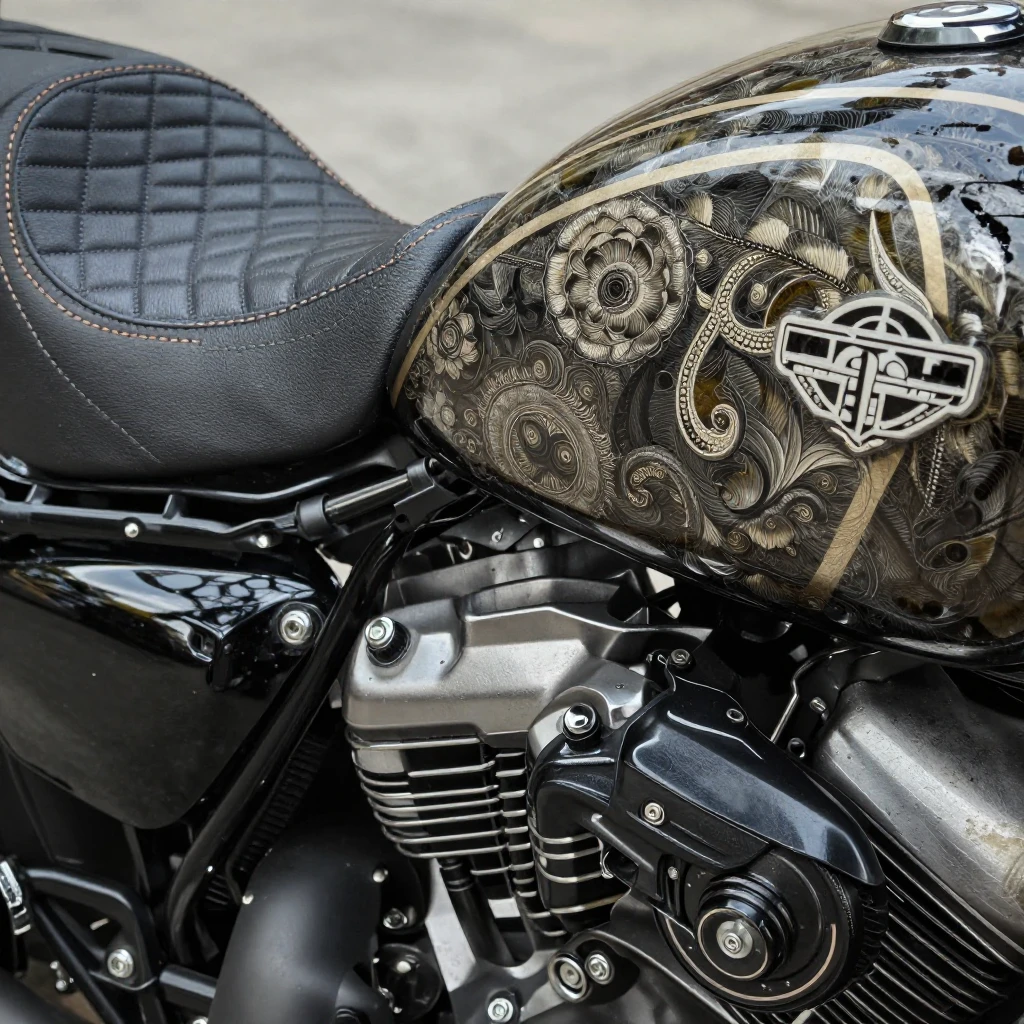
Details That Make a Build Feel Personal
Personal details make a custom motorcycle feel individual when they connect to its story and show care in their execution. One considered handmade feature can carry more meaning than a collection of decorative add-ons.
Handcrafted details might include a seat made for the rider’s posture, a small engraved plate, a custom tool roll, or a discreet reference to a meaningful route. Materials can add their own history: a repair that remains visible, metal shaped by hand, or leather that will develop a patina with use. These choices invite closer attention without turning the bike into a scrapbook.
Craftsmanship matters because riders live with the details. A neat wire route, securely mounted component, and finish that can withstand regular use are part of the design, even if they are not the first things a viewer notices. Thoughtful work looks intentional; rushed work can make even an interesting idea feel unfinished.
One common misstep is adding personal symbols everywhere. Riders do it because each detail carries meaning, but too many competing references make the overall story hard to read. Choose a few details with a clear connection and let the rest of the motorcycle breathe.
Another is copying a complete style from a photograph. Inspiration is useful, but a direct imitation may not suit your body, roads, budget, or riding habits. Borrow a quality you admire, such as a clean silhouette or a particular finish, then adapt it to your own build.
Keeping Expression Practical
A customized motorcycle can express its rider and remain practical if comfort, reliability, safety, and intended use shape the design from the start. Set those needs alongside appearance, rather than leaving them until the build is nearly finished.
Start with how the bike will actually be ridden. Daily commuting may call for dependable starting, useful lighting, weather protection, and a comfortable seat. Weekend touring can make luggage, passenger comfort, fuel range, and wind exposure more important. A motorcycle built mainly for shows has different priorities, though it still needs to be safe to operate wherever it is ridden.
Before approving a change, consider its trade-offs:
- A lower seat may help you reach the ground, but a changed stance can affect cornering clearance or suspension travel.
- A minimalist design can reduce visual clutter, but removing practical equipment may make regular riding less convenient.
- A modified exhaust may change sound and appearance, while also affecting noise compliance, tuning, or comfort.
- Specialized paint and custom components can strengthen the concept, but may cost more to repair or replace.
Keep a practical baseline: test the riding position before committing, retain sound brakes and lighting, and have safety-critical work checked by a qualified motorcycle professional. Confirm that parts suit the specific model and that modifications comply with local requirements. A build that is difficult to start, tiring to ride, or hard to maintain may tell a story, but it limits how often that story gets lived.
Sharing the Story Through the Ride
A finished custom motorcycle carries its story into everyday riding through the way it feels, where it takes its rider, and the conversations it starts. Its meaning grows with use, not just with photographs or attention at a show.
On the road, design choices become practical experiences. A comfortable stance makes a longer route inviting; a well-made detail becomes familiar each time the rider stops for fuel. Over time, new journeys add to the bike’s personal history. The machine can change again, too, as the rider’s needs and tastes evolve.
Sharing the build with other riders is part of motorcycle culture. Someone may notice a hand-shaped piece or ask why a particular color was chosen. Those conversations let the owner explain the inspiration, while hearing how other people interpret the same details. A thoughtful build makes room for both meanings: the story its rider intended and the one others discover.
When planning your own motorcycle, keep the concept clear, choose details with care, and protect the parts that make the bike enjoyable to ride. The result does not have to be extravagant. It has to feel like yours when the engine starts and the road opens ahead.