Motorcycle Clubs: Brotherhood, Tradition, and Misconceptions
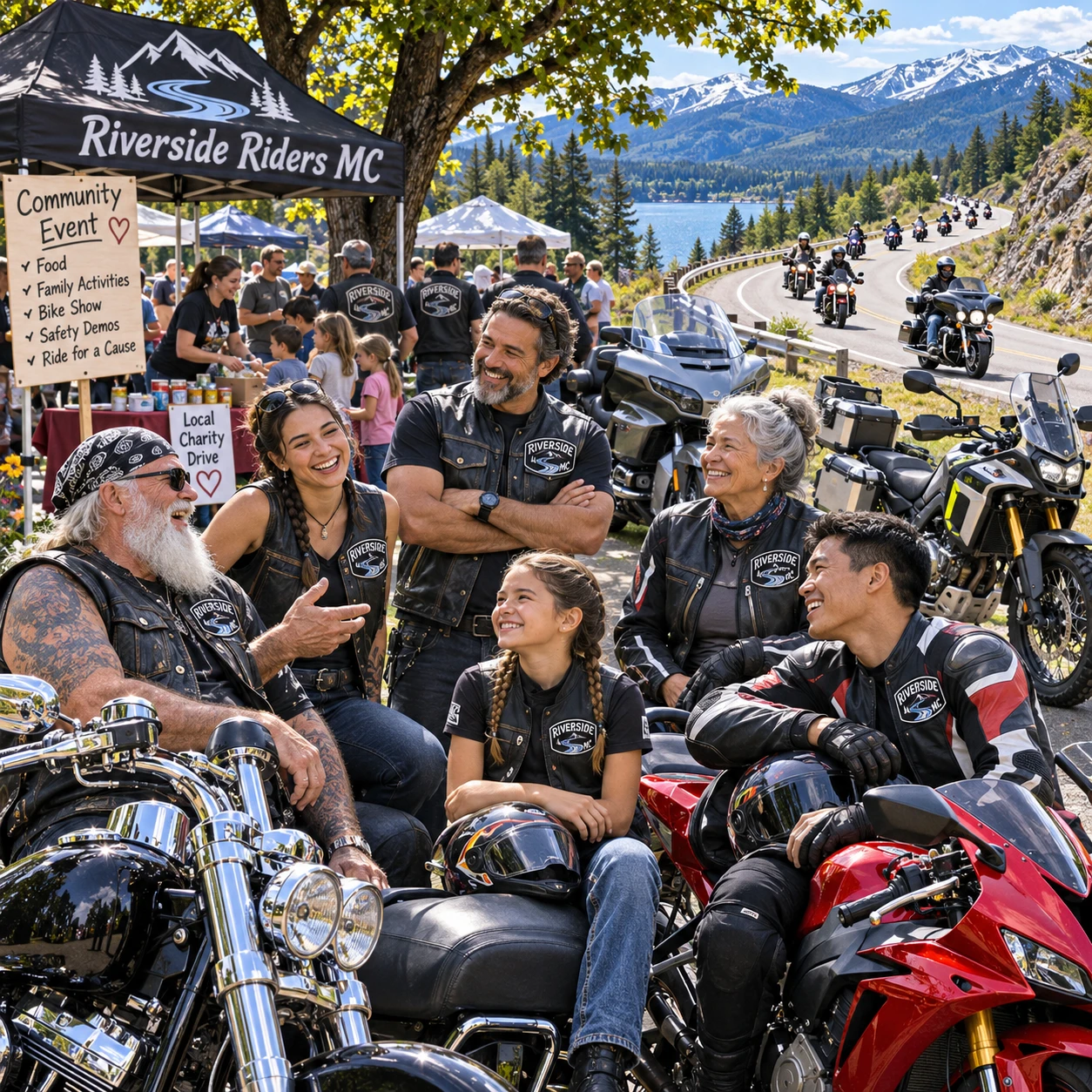
Motorcycle clubs can be a source of friendship, shared purpose, and a lasting connection to the road. They also attract assumptions shaped by popular culture, even though real clubs vary widely in their membership, traditions, and priorities. Understanding that range makes it easier to see motorcycle culture beyond the stereotypes.
What Is a Motorcycle Club?
A motorcycle club is an organized community of riders who share an interest in motorcycles and a commitment to the group. Compared with a casual riding group, a club may have defined membership, regular meetings, and traditions, though its structure depends on the organization.
Some clubs focus on a particular make of motorcycle, a riding style, a local community, or a charitable cause. Others bring together people with different bikes and backgrounds. Members might plan group rides, maintain social connections, volunteer, or organize community events. The motorcycle is often the starting point; shared time and responsibility can become just as important.
A riding group, by contrast, may be an informal collection of people who meet for occasional rides without a formal membership process or ongoing obligations. The distinction is not absolute: a riding group can become more organized, and a club can keep its structure relaxed. The useful question is how much commitment and shared governance the group expects.
Some clubs use terms such as prospect for a person seeking membership, but such terms and processes are club-specific. They should not be treated as a standard feature of every motorcycle club.
Brotherhood and Shared Values
Brotherhood in motorcycle clubs describes the trust and mutual support members build through shared experiences. The word is common in club culture, but the relationships and expectations behind it differ from one group to another.
Long rides create time to learn how people handle fatigue, changing weather, and the small decisions that keep a group moving safely. Support may also mean checking in after a breakdown, helping a member prepare for a ride, or showing up for a community fundraiser. These everyday actions often matter more than dramatic stories about club life.
Common values can include loyalty, respect, responsibility, and a love of riding. No single list applies everywhere, and members may disagree about priorities or club decisions. A healthy sense of brotherhood should make room for different personalities and backgrounds rather than demand that every member share the same life story.
For someone considering membership, it helps to look beyond the label. Notice how members treat one another, how they handle conflict, and whether the group’s expectations fit your schedule and values. Strong bonds can be a real benefit; they also come with time commitments and obligations that informal riding with friends may not involve.
Traditions, Colors, and Group Rides
Motorcycle club traditions can include group rides, meetings, events, and distinctive colors or patches. Their meaning is set by the club, so no symbol or custom has one universal interpretation across motorcycle culture.
Colors usually refer to a club’s identifying insignia, often displayed on a vest or jacket. A patch may communicate a club name, location, or affiliation, but designs and rules for wearing them vary. Some clubs have detailed guidelines about who may wear their insignia and when; others use different forms of identification. It is best not to assume that a patch reveals a person’s character or the club’s full story.
Group rides are another familiar tradition. Clubs may agree on a route, riding order, meeting points, and signals before setting out. Clear planning helps riders stay together and respond calmly if traffic separates the group. It also means participants need to ride within their own ability and follow local traffic laws; group unity does not replace safe riding judgment.
Club events may range from social gatherings to charity rides and local fundraisers. For visitors, the simplest approach is to follow the host’s guidance, ask before photographing people or insignia, and respect any event-specific rules. Traditions can make a club feel rooted and recognizable, but they are living practices, not a checklist every club must follow.
How Clubs Are Organized
Motorcycle club structure varies, but many clubs use some combination of members, elected or appointed officers, meetings, and agreed rules. The arrangement reflects the club’s size, purpose, and culture rather than a universal model.
In a small local club, members may share planning informally. A larger organization may assign roles for administration, finances, ride coordination, or event planning. Titles and responsibilities differ, and a position in one club does not necessarily mean the same thing in another.
Membership can also involve different levels of participation. Some groups welcome prospective members to public rides or events; others ask people to spend time with the club before applying. Expectations might cover attendance, dues, conduct, use of club colors, or participation in activities. Anyone exploring membership should ask about these points directly rather than relying on assumptions or another club’s rules.
A useful way to assess fit is to consider three things: purpose (what the club exists to do), commitment (how much time and participation it expects), and conduct (how members treat each other and the wider community). Asking clear questions early can prevent mismatched expectations later.
Common Misconceptions About Motorcycle Clubs
The most common misconception is that every motorcycle club shares the same identity, rules, or behavior. In reality, clubs vary widely, and a single media portrayal cannot represent all their members or activities.
Stories about outlaw motorcycle clubs often dominate entertainment and news coverage. Those portrayals may focus on conflict because it draws attention, while everyday club life can include ordinary friendships, riding, local events, and volunteer work. At the same time, it would be inaccurate to claim that every club is alike or that every organization has the same public role. A balanced view recognizes both the diversity of clubs and the fact that individual groups should be understood on their own terms.
Other assumptions deserve the same caution:
- Every club is exclusive or intimidating. Some clubs have selective membership and formal customs; others welcome newcomers at public rides or events.
- All members ride the same way. Clubs may include a mix of experience levels, motorcycle types, and riding styles.
- Colors explain everything. Insignia may identify a club, but it cannot tell an outsider what every member believes or does.
When you meet a club, pay attention to what its members actually say and do. Avoid treating rumors, film conventions, or one person’s experience as proof of a universal rule. That approach is more respectful and more accurate.
The Many Ways to Participate in Motorcycle Culture
Motorcycle clubs are one way to take part in motorcycle culture, but they are not the only way. Informal riding groups, event communities, advocacy organizations, and solo riders all contribute to the wider scene.
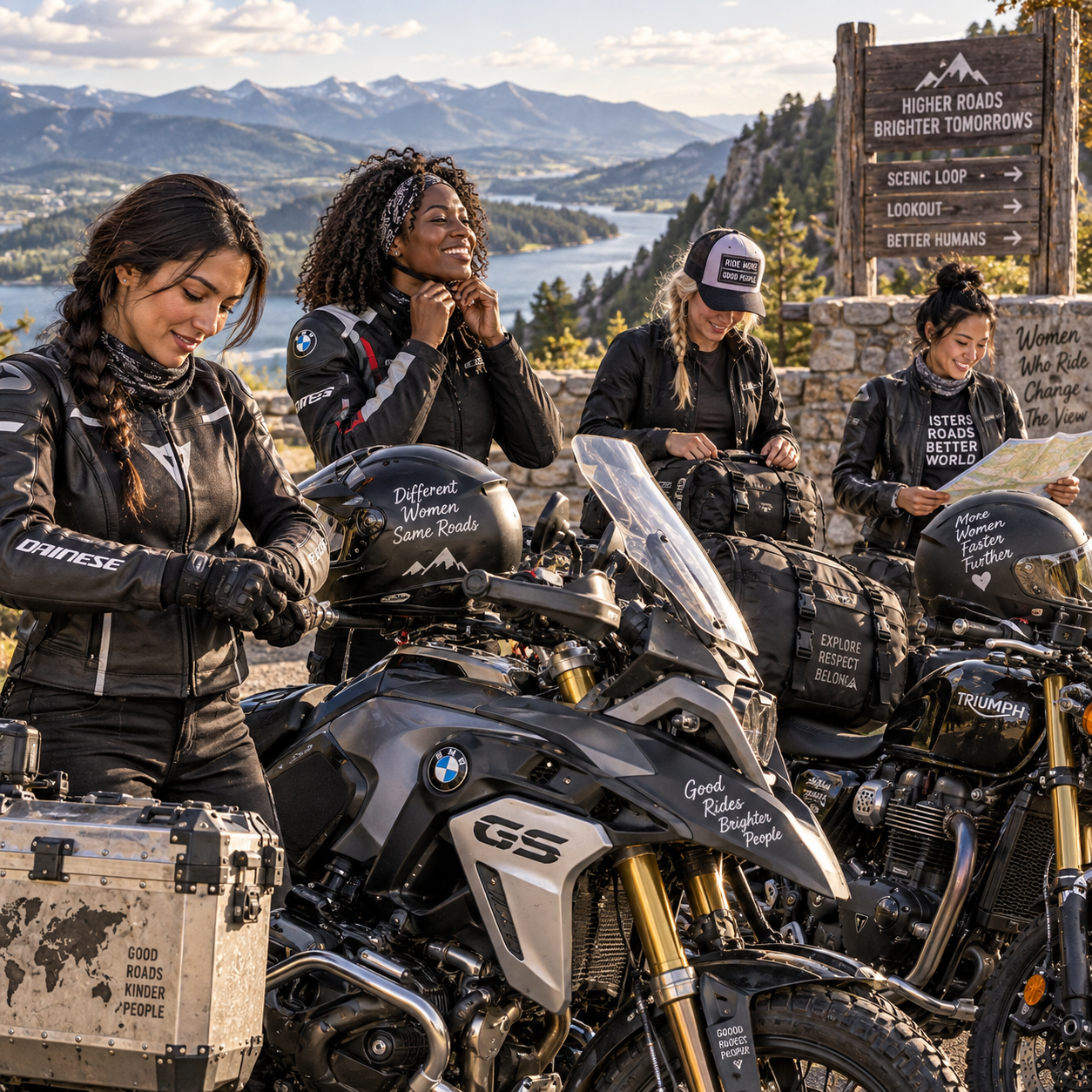
A club may suit riders who want regular connection, shared responsibilities, and established traditions. An informal riding group may work better for people who prefer flexible plans and fewer obligations. Solo riders can still take part by attending public events, supporting local shops, joining a charity ride, or simply sharing the road considerately.
Before joining any group, visit an open event if possible and ask practical questions: How often do members meet? Are dues required? What does participation involve? Are rides open to different experience levels? A group’s answers, and the way it responds to questions, can tell you whether its culture is a comfortable fit.
There is no single correct way to belong. For some riders, a club’s brotherhood and traditions are central to the experience. For others, occasional group rides or independent travel offer the right balance. Motorcycle culture has room for both, as well as many ways of participating in between.