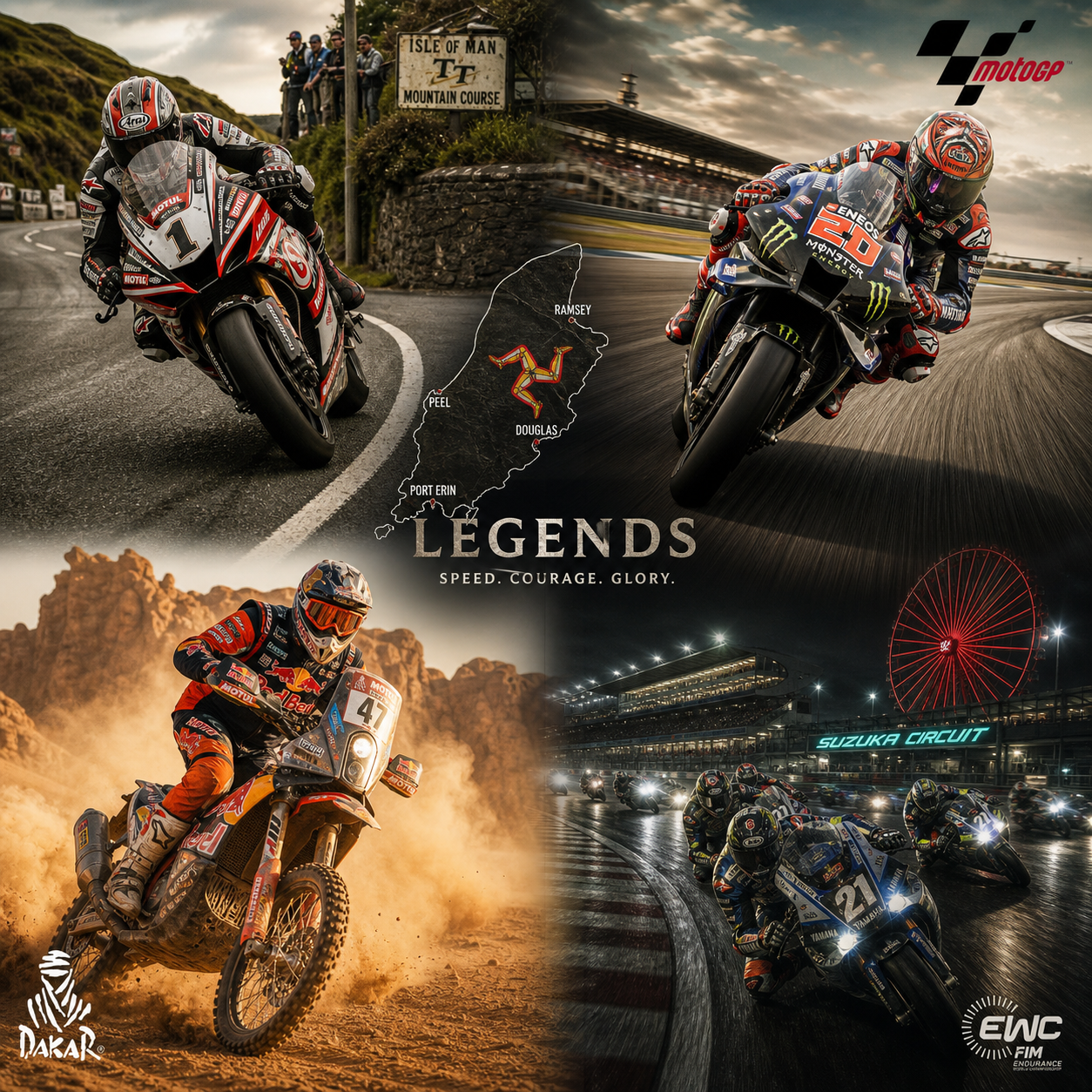
The Evolution of Motorcycle Design: How Classic Roots Shaped the Modern Machine
A motorcycle is never just a machine. It is a statement — about freedom, identity, and the era that built it. From the first crude motorized bicycles to today's sculpted, electronically refined machines, motorcycle design has always been a mirror of the culture riding it. Understanding that evolution means reading the story behind the steel.
Where It All Began — The Design Language of Early Motorcycles
Early motorcycle design was defined by pure function. Builders bolted engines onto bicycle frames and called it progress. There was no styling philosophy, no brand DNA — just the honest logic of making something move under its own power.
Yet that rawness carried its own beauty. The exposed engine sat at the heart of everything, not hidden but celebrated. Engine exposure was never a choice in those years; it was a structural necessity that accidentally became an aesthetic. Riders could see every component working, every cylinder firing. That transparency built a relationship between rider and machine that modern design still tries to replicate.
Frame geometry in these early bikes was borrowed directly from the bicycle world — rigid, upright, unforgiving. The riding posture was tall and commanding, not because anyone studied ergonomics, but because it was the only way to stay on. Headlights were simple round sealed beams, practical and unpretentious. Round because glass blowing made it easiest. Round because it worked.
That foundational silhouette — engine forward, rider upright, minimal bodywork — became the template everything else would react against.
The Post-War Boom and the Birth of Iconic Archetypes
The mid-20th century didn't just produce more motorcycles — it produced types of motorcycles, each carrying a distinct cultural identity. The post-war years gave birth to the design tribes that still define the industry today.
Cruisers emerged from American roads, shaped by veterans who wanted something low, long, and unhurried. The riding position dropped. Handlebars swept wide. The whole geometry shifted to say: we are not in a hurry. Harley-Davidson crystallized this archetype, and it became inseparable from a specific vision of American freedom — open highways, leather jackets, no particular destination.
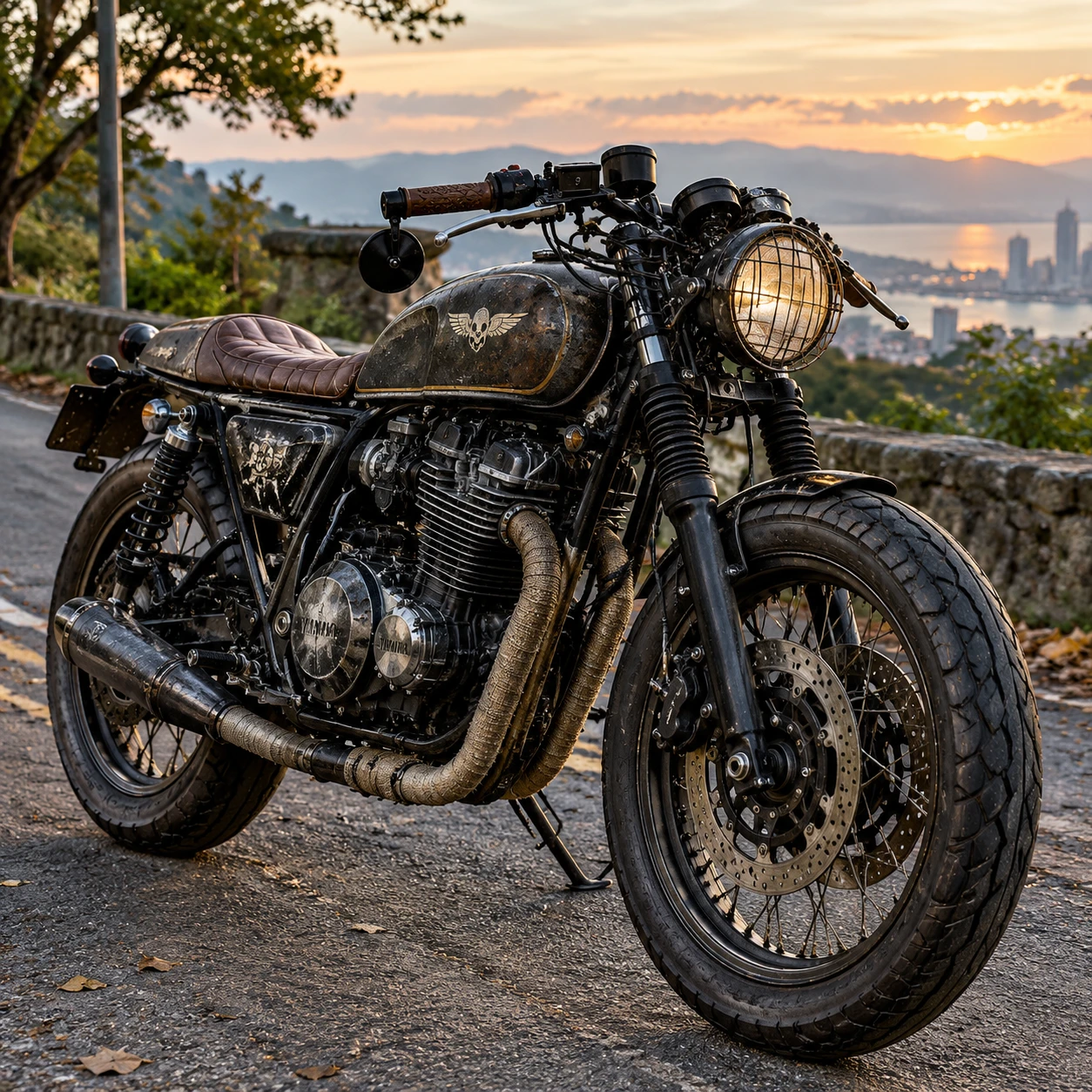
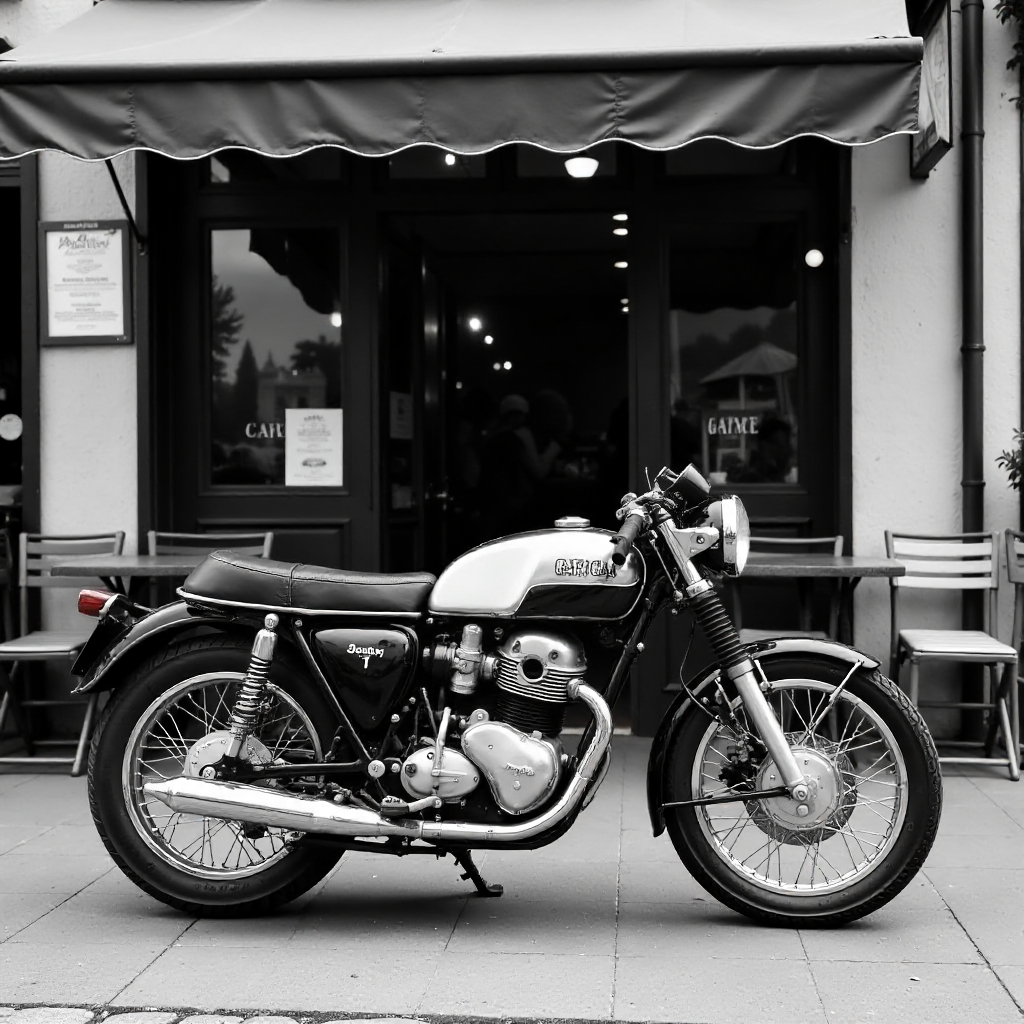
Across the Atlantic, a different tribe was forming. Café racers took standard production bikes and stripped them to the essentials — cut-down seats, clip-on handlebars, rearset footpegs. The goal was to race from one café to the next, and the design reflected that urgency. Where cruisers were about the journey, café racers were about the moment. This subculture became one of the most enduring bridges between classic and modern minimalist design, influencing everything from boutique builders to mainstream manufacturers decades later.
Choppers pushed further still, stretching frame geometry to theatrical extremes. These were motorcycles as sculpture, as personal mythology. The design choices — extended forks, custom paint, removed fenders — were pure motorcycle storytelling, each bike a one-of-a-kind narrative about its builder.
The Fairing Revolution — When Speed Started to Look Like Speed
The fairing changed everything about what a motorcycle could look like. Beginning in the 1970s and accelerating through the 1980s, aerodynamic bodywork borrowed directly from motorsport transformed the visual vocabulary of the sport motorcycle.
Before fairings, speed was implied. After them, speed was visible. Full fairings wrapped the engine, the frame, the rider — creating a unified aerodynamic form where the machine and human became one streamlined unit. The motorcycle stopped looking like a collection of parts and started looking like an intention.
Japanese manufacturers drove this transformation aggressively. Honda, Kawasaki, Suzuki, and Yamaha competed on racetracks and translated those lessons directly to street bikes. The result was a generation of sport motorcycles that looked fast standing still. Ergonomics shifted dramatically — riders leaned forward, weight on the wrists, body tucked behind a windscreen. Comfort was secondary to the visual and physical drama of the riding position.
This era also established the idea that a motorcycle's design could be a performance claim. The fairing wasn't decoration; it was an argument. Riders who chose fully-faired bikes were choosing a particular identity — technical, competitive, speed-oriented. The design made the statement before the engine ever started.
The Rise of Naked Bikes and the Return to Honesty
Naked bikes emerged in the late 1990s as a deliberate counter-movement to the fully-faired sport bike's visual complexity. Strip away the bodywork, expose the engine, let the mechanical architecture speak for itself.
This wasn't regression — it was philosophy. Manufacturers like Ducati with the Monster and KTM with the Duke line recognized that riders were hungry for something more visceral, more immediate. The engine exposure that was once a necessity in early motorcycles became, again, a design statement. But this time it was intentional, curated, and deeply considered.
The naked bike silhouette emphasized the trellis frame, the cylinder heads, the exhaust routing — all the mechanical poetry that fairings had been hiding for two decades. Ergonomics shifted back toward upright, but not the passive uprightness of a cruiser. This was alert, engaged, forward-leaning without being aggressive. The rider sat on the bike rather than being folded into it.
Culturally, the naked bike appealed to riders who wanted authenticity over performance theater. The design said: I don't need to hide anything. That honesty resonated, and the segment has only grown since.
Retro-Modern — Nostalgia Engineered for Today
Retro-modern design represents one of the most commercially successful and emotionally complex trends in contemporary motorcycle manufacturing. Bikes like the Triumph Bonneville T120, the Royal Enfield Interceptor 650, and the BMW R nineT deliberately echo vintage styling while hiding thoroughly modern engineering underneath.
The appeal is easy to underestimate as mere nostalgia. But it runs deeper than that. These machines offer riders a visual connection to motorcycle history — round headlights, chrome accents, classic proportions — without asking them to sacrifice fuel injection, modern suspension, or ABS. The trade-off is explicit: you get the feeling of the past with the reliability of the present.
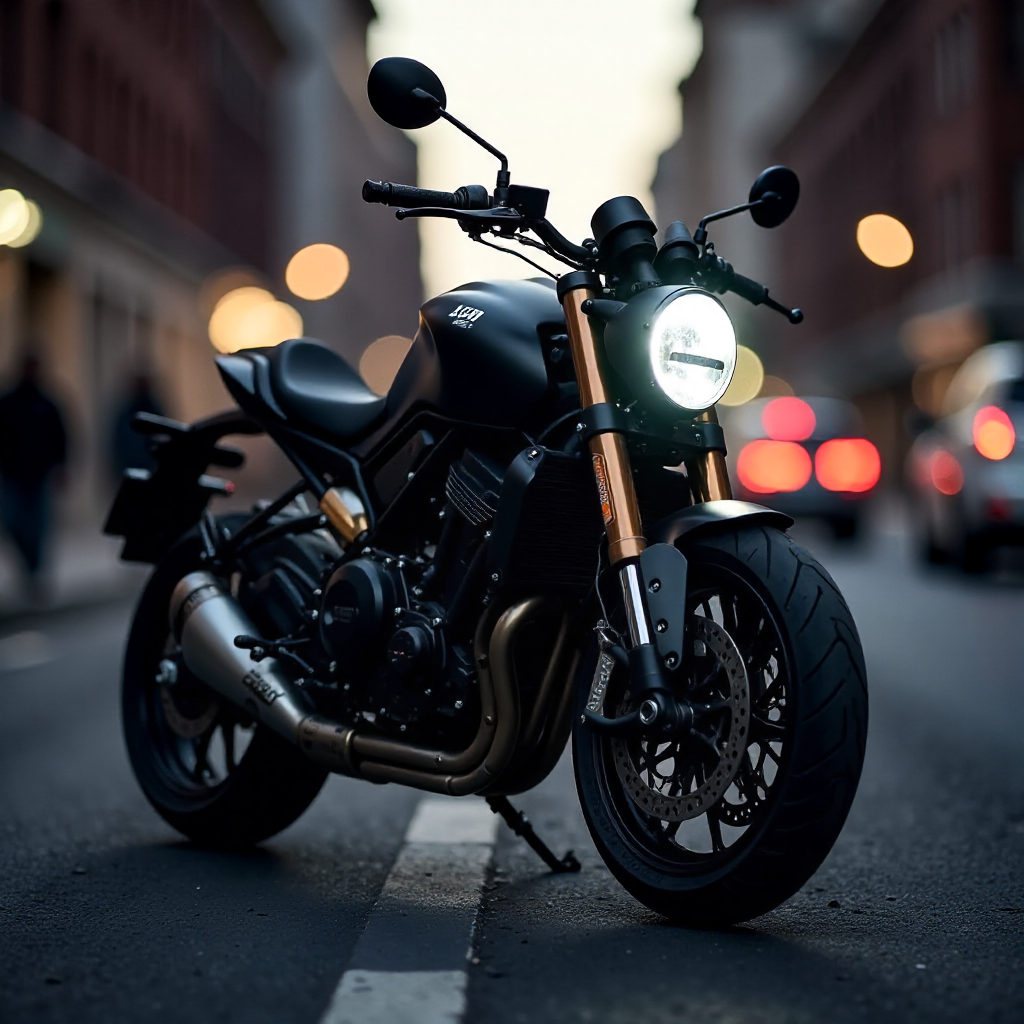
Frame geometry in retro-modern bikes is often deliberately softened compared to performance-oriented machines. Riding positions are relaxed, approachable, human-scaled. The headlight evolution on these bikes is particularly telling — many use LED technology hidden inside classic round housings, a perfect metaphor for the entire retro-modern philosophy: new soul in old clothes.
For many riders, these bikes aren't about pretending it's 1965. They're about claiming a design lineage, connecting to a story that started long before they were born.
What Modern Design Says About Motorcycle Culture Now
Contemporary motorcycle design reflects a culture that has fragmented into many parallel identities, all coexisting. There is no single dominant aesthetic the way there was in the fairing era or the cruiser boom. Instead, the market — and the culture — has diversified.
LED signature lighting has become the new brand fingerprint. Where round sealed beams once made every headlight interchangeable, today's manufacturers use distinctive LED daytime running light signatures to create instant visual recognition. A Ducati Panigale, a KTM Duke, and a BMW S 1000 RR are all immediately identifiable from their lighting alone. The headlight has become a logo.
Digital displays have replaced analog gauges, and with them, the cockpit has transformed. Riders now interact with their machines through touchscreens and riding mode selectors. This changes the design conversation — the instrument cluster is no longer a functional afterthought but a designed experience in itself.
Minimal bodywork continues to dominate across multiple segments. Even sport-touring bikes, once heavily faired, are shedding unnecessary panels. The direction is toward visual clarity — show what matters, hide what doesn't, and let the design breathe. Motorcycle storytelling through design has never been more deliberate or more self-aware.
The Design Details That Never Go Out of Style
Some design elements have survived every era, every trend, every technological revolution. They persist because they are correct — not just aesthetically, but fundamentally.
The round headlight is the most obvious survivor. It appeared on the first motorcycles, it anchors retro-modern design today, and it will almost certainly outlast every current trend. There is something about the round headlight that feels like a face — approachable, honest, alive.
Visible engine architecture has returned in every era that tried to hide it. The engine is the heart of the machine. Riders feel it, hear it, and want to see it. No amount of bodywork has ever permanently buried that instinct.
Proportional balance — the relationship between wheel size, engine mass, and rider position — has remained the foundation of every successful design across a century of motorcycle history. Bikes that look right, usually ride right. That intuition has proven remarkably durable.
What connects a 1920s board-tracker to a 2026 naked superbike is not the technology or the materials. It is the underlying conversation between rider and machine, expressed through design. Every silhouette, every material choice, every ergonomic decision is part of that ongoing dialogue. The machines change. The conversation doesn't.
Frequently Asked Questions
What is the difference between classic and modern motorcycle design?
Classic motorcycle design prioritized mechanical simplicity and exposed components, with upright ergonomics and minimal bodywork. Modern design integrates aerodynamics, digital systems, and refined ergonomics — though many contemporary bikes deliberately borrow classic visual cues through retro-modern design language.
Why do retro-styled motorcycles remain so popular today?
Retro-styled bikes offer riders an emotional connection to motorcycle history without sacrificing modern reliability or safety technology. They carry a design story that feels earned rather than invented, and many riders find that connection more meaningful than purely forward-looking aesthetics.
How has technology changed the way motorcycles look?
Technology has transformed everything from headlight design (LED signatures replacing sealed beams) to bodywork (computer-optimized aerodynamics) to instrument clusters (digital displays replacing analog gauges). Each technological shift creates new design possibilities and new visual vocabularies for manufacturers to work with.
What design era is considered the most influential in motorcycle history?
The post-war period from roughly 1945 to 1970 is widely regarded as the most culturally formative era, because it established the core archetypes — cruisers, café racers, and choppers — that still define how riders think about motorcycle identity today.
How does a motorcycle's design reflect its rider's identity?
Motorcycle design is a form of self-expression embedded in metal and geometry. The bike a rider chooses — its silhouette, its posture, its level of engine exposure — communicates something about how that rider sees themselves and what kind of story they want to tell on the road. Design and identity have always been inseparable in motorcycle culture.