Iconic Motorcycles That Shaped Automotive History: The Machines That Changed Everything
Some machines are just transportation. Others become myth. The motorcycles on this list didn't simply move people from one place to another — they moved culture, challenged engineering assumptions, and gave entire generations a symbol to rally around. Understanding why certain bikes became legendary means looking beyond horsepower figures and into the eras that produced them.
What Makes a Motorcycle Truly Iconic?
A motorcycle earns iconic status when its influence outlasts its production run. That happens through a combination of mechanical innovation, cultural resonance, and timing — arriving at exactly the moment the world was ready for something new.
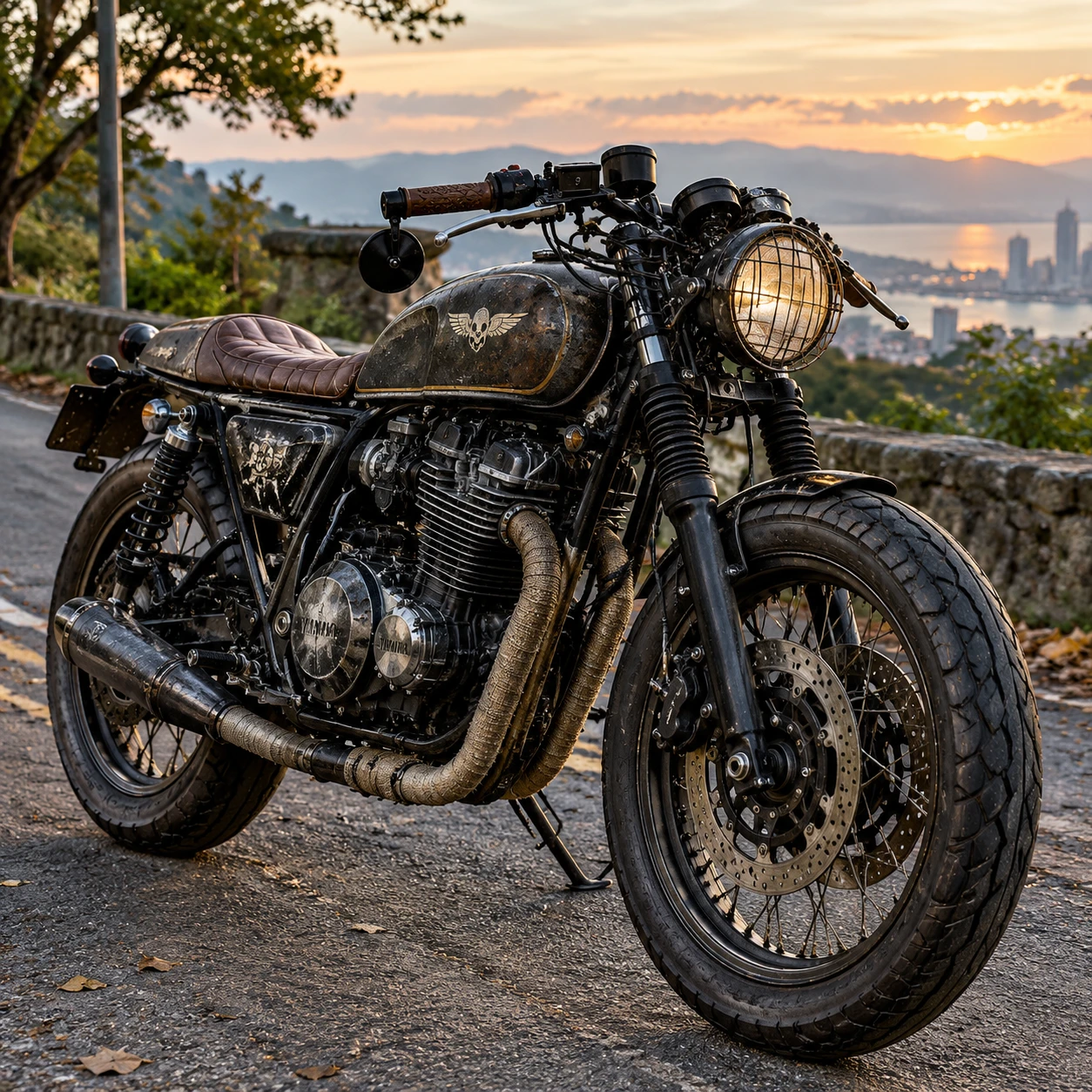
Technical excellence alone isn't enough. Plenty of brilliantly engineered bikes have faded into obscurity. What separates the legends is the story attached to them: the riders who raced them, the films that featured them, the movements they accidentally became symbols of. Engine displacement and engineering innovation matter, but so does the café racer who stayed up all night stripping a bike down to its essentials, chasing a faster lap between London coffee shops.
The selection here isn't a ranked list. Think of it as a cast of characters — each one representing a distinct chapter in the longer story of motorcycling.
The Birth of an Industry — Early Pioneers and Their Machines
Motorcycling's origins trace back to the late 19th century, when engineers began bolting small combustion engines onto bicycle frames and hoping for the best. The results were unreliable, dangerous, and absolutely irresistible to a certain type of person.
The history of the motorcycle is largely a story of incremental courage — each generation of builders pushing a little further, solving one problem only to discover three more. Early American and European manufacturers were essentially experimenting in public, with customers as willing test pilots.
These first machines established something important: the idea that personal, powered mobility could belong to ordinary people, not just the wealthy few who owned automobiles. That democratizing impulse would echo through every major development that followed.
The British Golden Age — Triumph, BSA, and the Spirit of Speed
The decades following World War II produced what many historians consider the golden age of British motorcycling, with Triumph and BSA (Birmingham Small Arms) at its center. These weren't just manufacturers — they were national industries, employing thousands and exporting British engineering credibility worldwide.
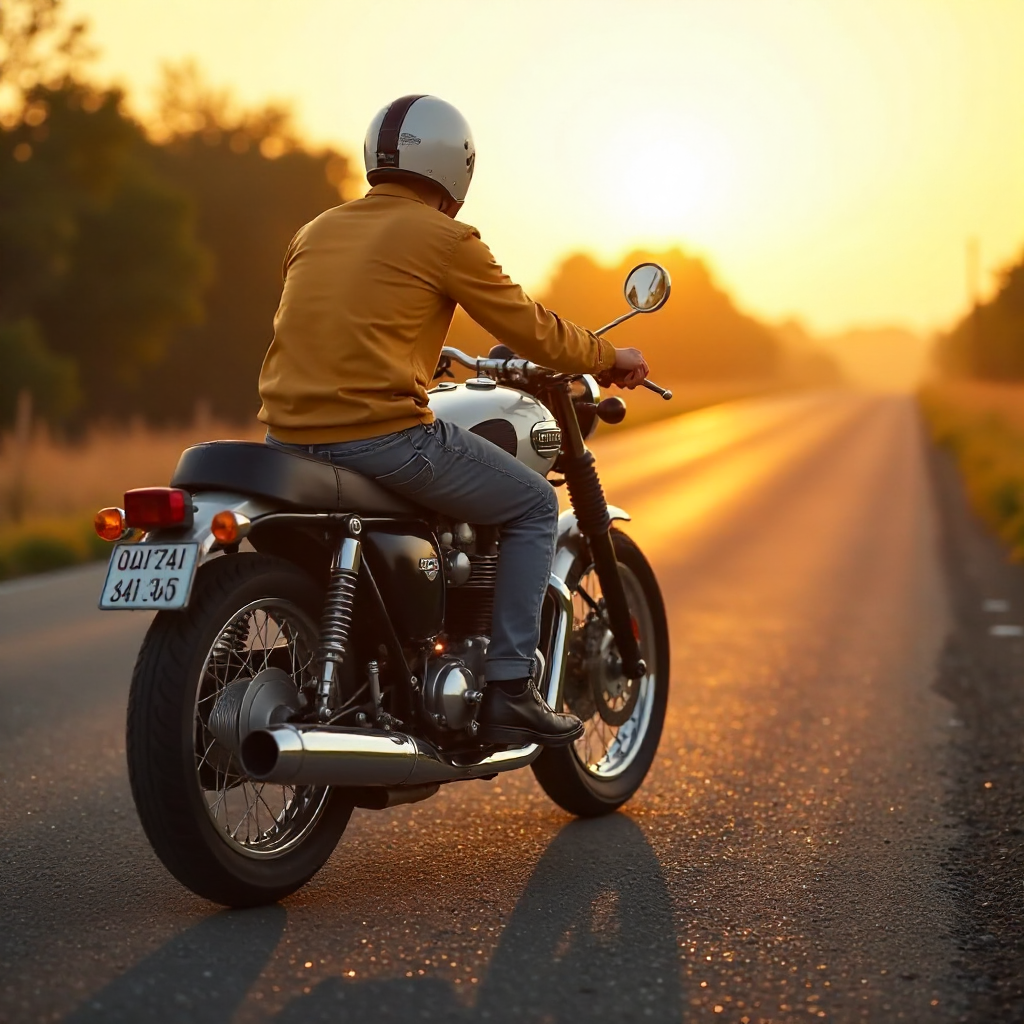
The Triumph Bonneville, introduced in 1959 and named after the Bonneville Salt Flats where Johnny Allen set a land speed record on a Triumph-powered streamliner, became the defining motorcycle of an era. Its parallel-twin engine delivered a riding experience that felt alive in a way earlier bikes simply didn't. Riders described it as responsive, almost conversational.
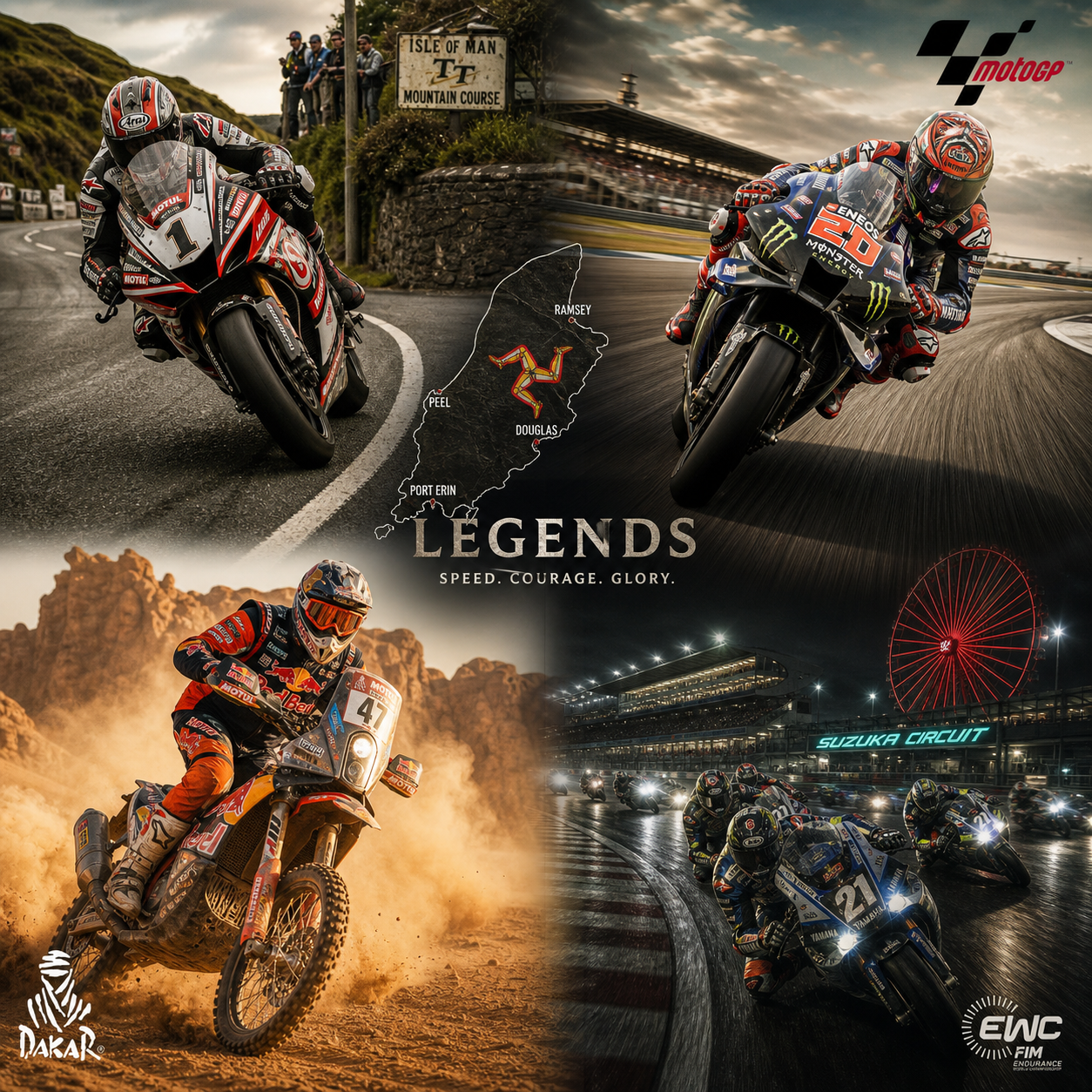
BSA, meanwhile, was producing machines that found their way into the hands of dispatch riders, racers, and everyday commuters in equal measure. The Isle of Man TT — motorcycle racing's most demanding and storied event — served as a proving ground for both brands, and victories there carried enormous commercial weight back home.
This era also gave birth to café racer culture. Young British riders, influenced by American rock and roll and hungry for speed, began modifying their Triumphs and BSAs — removing unnecessary weight, lowering handlebars, tuning engines. The café racer wasn't just a style; it was a philosophy about what a motorcycle should be.
The Japanese Revolution — When Honda Changed the Game
The Honda CB750, launched in 1969, is arguably the single most consequential motorcycle ever built. It didn't just compete with existing bikes — it made them feel obsolete almost overnight.
Before the CB750, a four-cylinder motorcycle engine was exotic, expensive, and rare. Honda put one into a production bike that ordinary riders could afford. The CB750 offered electric start, a front disc brake, and reliable performance at a price point that undercut British and American competitors. Sales figures told the story clearly: the global motorcycle market shifted eastward, and it never fully shifted back.
What made this more than a commercial victory was what it represented culturally. Japanese engineering had been dismissed by many Western manufacturers as imitative rather than innovative. The CB750 ended that argument permanently. Honda had studied what riders actually wanted — reliability, accessibility, performance — and delivered all three simultaneously.
The ripple effects were enormous. BSA never recovered from the competitive pressure. Triumph went through bankruptcy. The British motorcycle industry, which had dominated global markets for decades, contracted dramatically through the 1970s. This wasn't just disruption; it was transformation of the entire global industry.
American Iron — Harley-Davidson and the Road to Legend
Harley-Davidson survived the Japanese revolution by doing something counterintuitive: leaning harder into exactly what it already was. While competitors scrambled to match Japanese reliability and performance figures, Harley doubled down on identity, heritage, and the specific feeling its bikes produced.
That feeling is genuinely difficult to quantify. The low-frequency rumble of a V-twin engine at idle, the riding position that puts you in rather than on the machine, the weight that communicates road texture through your entire body — these aren't specs you can list in a brochure. They're experiences, and Harley-Davidson understood that selling experiences is fundamentally different from selling transportation.
The brand's cultural impact extends far beyond motorcycling. Films like Easy Rider (1969) transformed Harley into a symbol of American freedom and rebellion. Veterans returning from wars rode them. Outlaw clubs adopted them. Then, paradoxically, corporate executives began riding them on weekends as a statement of authenticity. Few products in any industry have managed to mean so many different things to so many different people without losing their essential identity.
Harley-Davidson's survival through the 1980s — including a leveraged buyout from AMF and a genuine near-bankruptcy — reads like a story about institutional stubbornness paying off. The company asked for tariff protection, rebuilt its quality control, and emerged with its mythology intact.
European Passion — Italian and German Engineering Excellence
Ducati and BMW represent a different tradition entirely: motorcycles built as expressions of engineering philosophy rather than mass-market accessibility. Both brands have racing pedigrees that directly shaped their production machines.
Ducati's desmodromic valve system — a mechanical solution to the problem of valve float at high engine speeds — became the brand's signature, a technical choice that required more maintenance but delivered an engine character unlike anything else on the road. Ducati motorcycles aren't convenient. They demand attention and reward it with performance and sound that enthusiasts describe with the kind of language usually reserved for music.
MV Agusta, another Italian manufacturer, dominated Grand Prix racing through the 1950s and 1960s with a ferocity that bordered on monopoly. Their racing success fed directly into production bike design, creating machines that carried genuine competition DNA.
BMW took a different path, developing the horizontally opposed twin-cylinder engine (the "boxer" configuration) that has remained central to the brand's identity for over a century. Where Ducati pursued passion, BMW pursued precision — and both approaches produced motorcycles that riders form lifelong attachments to.
Why These Motorcycles Still Matter Today
These machines continue to shape motorcycle culture because they established the archetypes everything since has been measured against. Modern manufacturers still reference the CB750 when discussing accessible performance. Triumph still builds a Bonneville. Harley-Davidson's current lineup is a direct conversation with its own history.
More than that, these motorcycles gave the act of riding a vocabulary. The café racer aesthetic has never been more popular than it is right now, with builders worldwide interpreting it through contemporary materials and modern engines. The freedom symbolism Harley-Davidson embodied in the 1960s still attracts riders who have never seen Easy Rider but feel the same pull toward open road and personal autonomy.
Motorcycle storytelling — the reason sites like this one exist — draws its power from these histories. Every rider who throws a leg over a bike is, consciously or not, participating in a tradition that runs through all of these machines. The Bonneville's café racer descendants, the CB750's legacy of accessibility, Harley's insistence on experience over specification: these ideas are still alive in every garage, every rally, every predawn ride taken for no practical reason whatsoever.
The machines changed. The impulse behind them hasn't.
Frequently Asked Questions
What was the first motorcycle ever mass-produced?
The Indian Motocycle Company and Harley-Davidson both began significant production in the early 1900s, with Indian often credited as the first large-scale American manufacturer. In Europe, manufacturers like FN (Fabrique Nationale) in Belgium were producing multi-cylinder motorcycles before 1910. True mass production, in the modern sense, came later with Japanese manufacturers in the 1960s.
Why is the Honda CB750 considered a turning point in motorcycle history?
The CB750 combined a four-cylinder engine, electric start, and front disc brakes in an affordable production motorcycle — a combination previously unavailable at that price point. It demonstrated that Japanese manufacturers could out-engineer and out-price established Western competitors, fundamentally reshaping the global market.
What makes Harley-Davidson more than just a motorcycle brand?
Harley-Davidson became a cultural institution through its association with American identity, freedom, and rebellion — reinforced by films, music, and the communities that formed around its bikes. The brand sells belonging as much as it sells motorcycles, which is why its customer loyalty is unusually intense even by automotive standards.
How did motorcycle racing influence production bike design?
Racing served as an accelerated engineering laboratory. Ducati's desmodromic valves, Honda's multi-cylinder configurations, and Triumph's high-performance twin engines all developed partly through competition demands. Manufacturers also used race victories as marketing — Isle of Man TT wins directly drove sales throughout the British golden age.
Are any of these iconic motorcycles still being manufactured today?
Yes. Triumph still produces the Bonneville in several variants. Harley-Davidson continues building V-twin cruisers in direct lineage with its historical models. Ducati remains in production with its racing-derived machines. Honda's CB series continues, though the original CB750 configuration has evolved considerably. BMW's boxer twin engine, introduced in 1923, is still in production.